What is CBD?
Cannabidiol Explained
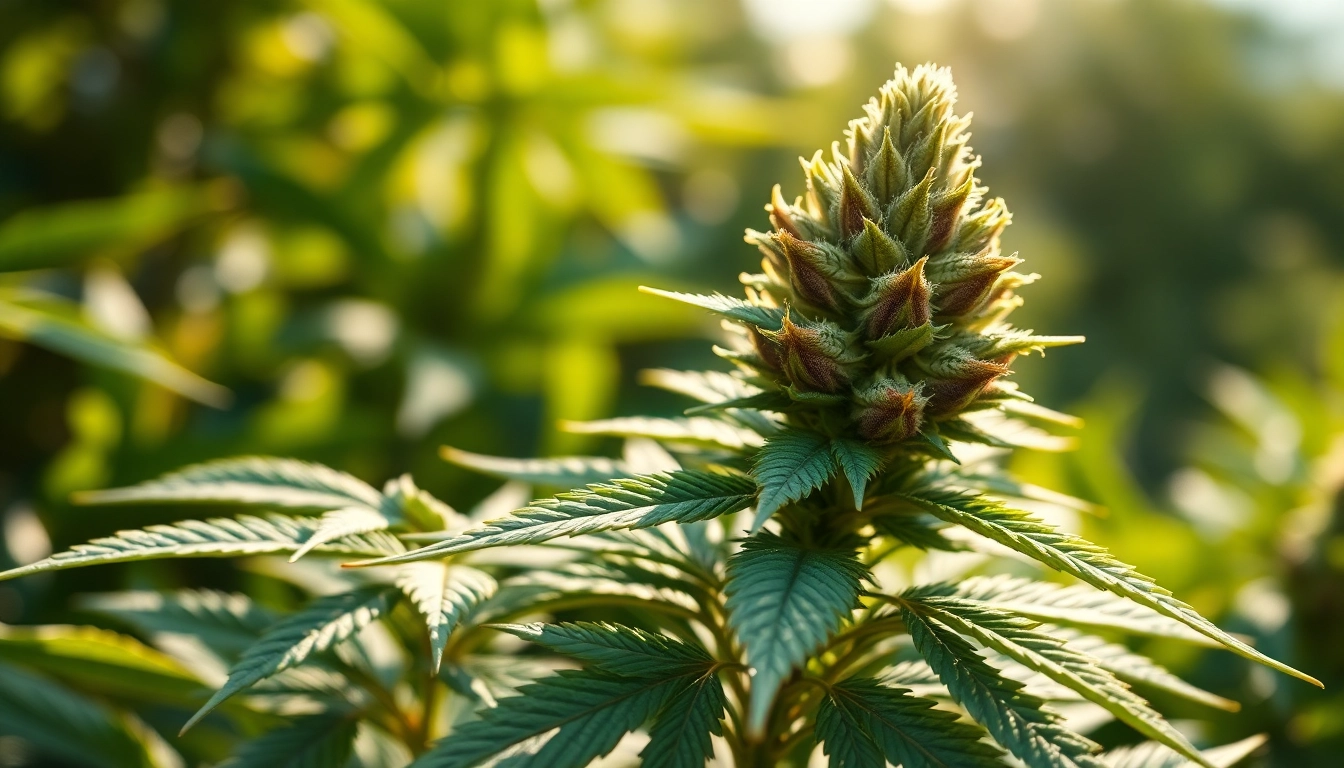
Cannabidiol, commonly known as CBD, is one of over a hundred cannabinoids found in the cannabis plant. Unlike its infamous counterpart, tetrahydrocannabinol (THC), CBD is non-psychoactive, meaning it does not produce the "high" typically associated with cannabis. This characteristic makes CBD an appealing option for individuals seeking relief from various conditions without the mind-altering effects of marijuana or certain pharmaceutical drugs.
The extraction of CBD from cannabis or hemp plants has gained significant attention in recent years, leading to a surge in its popularity for wellness applications. Scientific studies continue to explore its myriad effects, exploring not only its efficacy but also its long-term safety. In this article, we will discuss CBD in depth, exploring its health benefits, potential risks, how to use it effectively, and the legal landscape surrounding its use in the United States. For further detailed information, you can explore CBD more comprehensively.
Sources and Extraction Methods
CBD is predominantly derived from two sources: Cannabis sativa, also known as marijuana, and Cannabis sativa L., commonly referred to as hemp. Both plants contain CBD, but hemp typically boasts higher concentrations of CBD and lower levels of THC (less than 0.3% by dry weight), which is critical for legal compliance in many jurisdictions.
Several methods exist for extracting CBD from these plants, each with its own advantages and disadvantages:
- CO2 Extraction: This highly efficient method uses pressurized carbon dioxide to pull CBD and other phytochemicals from the plant. It produces a clean and potent extract but requires significant technical expertise and expensive equipment.
- SOLVENT Extraction: When utilizing alcohol or hydrocarbon solvents, this method is simpler and more cost-effective, albeit it risks leaving behind residual chemicals if not adequately purged.
- OLIVE OIL Extraction: This ancient method involves heating the plant material in olive oil. While it is straightforward, it limits the shelf life of the resulting product and may not yield concentrated extracts.
How CBD Compares to THC
The primary distinction between CBD and THC lies in how they interact with the body’s endocannabinoid system (ECS). While THC binds to the CB1 receptors within the brain, leading to the well-known euphoric sensations, CBD functions differently. It is believed to interact with numerous receptors, including CB1 and CB2, but does not bind to them in the same way as THC. This non-binding approach is crucial because it may counteract some of THC's psychoactive effects.
This difference not only highlights CBD's therapeutic potential but also allows it to be utilized in treating an array of conditions, such as anxiety and epilepsy, without inducing a high or causing impairment.
Health Benefits of CBD
CBD for Anxiety and Stress Relief
One of the most celebrated benefits of CBD is its anxiolytic properties. A significant number of individuals report reduced anxiety when using CBD products, which has garnered interest from the scientific community.
Research studies have shown that CBD can reduce the anxiety associated with various conditions, such as generalized anxiety disorder, social anxiety disorder, and post-traumatic stress disorder (PTSD). It is believed that CBD enhances the signaling through serotonin receptors, leading to a calming effect.
Additionally, some studies suggest CBD may help lessen insomnia symptoms linked to anxiety. Its ability to promote a more relaxed state allows users to experience improved sleep quality, further contributing to overall emotional well-being.
Managing Pain with CBD
Another promising area of research around CBD involves its potential analgesic properties. Various studies have observed that CBD may help mitigate chronic pain conditions, such as arthritis, neuropathic pain, and multiple sclerosis.
CBD's anti-inflammatory effects are central to its pain-relieving capabilities. By interacting with receptors in the ECS, CBD may help modulate pain signaling pathways, providing relief without the adverse effects often associated with traditional pain medications.
Moreover, people are increasingly using CBD-infused balms and creams topically to address specific areas of discomfort, providing localized relief with fewer systemic side effects.
Potential Impacts on Sleep Quality
Insufficient or poor-quality sleep can severely impact an individual's health and quality of life. As an alternative to over-the-counter sleep aids, more individuals are exploring CBD for improved sleep quality. Some users report that CBD makes it easier to fall asleep and helps maintain sleep throughout the night, thereby reducing insomnia symptoms.
Research indicates that CBD might help regulate sleep cycles, decreasing sleep disturbances. It may also treat conditions contributing to sleep issues, such as anxiety, chronic pain, and PTSD. However, the exact mechanisms remain a topic of ongoing study.
Risks and Side Effects of CBD
Common Side Effects
While many users tolerate CBD well, it can induce side effects in some individuals. Commonly reported side effects include:
- Dry mouth
- Drowsiness or fatigue
- Diarrhea
- Reduced appetite
It's essential to monitor how your body reacts when starting CBD to assess tolerance and adjust dosages accordingly.
Interactions with Other Medications
CBD has the potential to interact with a variety of pharmaceutical medications, primarily due to its effect on liver enzymes responsible for drug metabolism. This can alter the effectiveness of certain medications or increase the risk of side effects.
Patients taking medications for epilepsy, blood thinners, and other drugs metabolized by the liver should consult a healthcare provider before incorporating CBD into their regimen.
Long-term Use Considerations
Long-term studies on the safety of CBD are still limited, making it crucial for users to proceed with caution. While many anecdotal reports indicate that chronic usage is safe, the full spectrum of the impact of prolonged consumption remains ambiguous.
Regular consultations with healthcare professionals and regular assessment of any changes in health status are advisable for individuals choosing to use CBD as a long-term management option.
How to Use CBD Effectively
Different Forms of CBD Products
CBD products come in various forms, allowing personal choice based on preferences and comfort:
- Oils and Tinctures: These liquid forms allow for precise dosing and can be added to food or beverages.
- Capsules and Softgels: A familiar method for those already using traditional supplements, offering convenience and measured doses.
- Edibles: Gummies, chocolates, and drinks provide a tasty way to consume CBD, although onset times may vary compared to oils.
- Topicals: Creams, balms, and salves allow users to experience localized relief for muscle and joint pain without entering the bloodstream.
- Vaping: This method allows for rapid delivery but may not be suitable for everyone due to the potential risks associated with vaping products.
Determining Dosage Guidelines
Finding the appropriate dosage of CBD can be challenging, as factors such as weight, metabolism, body chemistry, and the severity of the condition can vary widely between individuals. Initiating with a low dose and gradually increasing as needed is often recommended.
Start with a small amount, such as 5-10 mg of CBD, and monitor its effects. Adjustments can be made weekly based on the results and any side effects experienced. Consulting with a healthcare provider can provide personalized recommendations tailored to individual health needs.
Best Practices for Consumption
For optimal effects, consider the following best practices when consuming CBD:
- Choose high-quality products from reputable sources to ensure purity and accurate dosing.
- Read product labels carefully to understand the concentration of CBD per serving and any potential additives.
- Keep a journal to track how different doses and forms of CBD affect your symptoms and overall health.
- Consult a healthcare professional if you have any pre-existing health conditions or take other medications.
The Legal Landscape of CBD
Current Legal Status in the U.S.
The legal status of CBD varies across the United States. Under the 2018 Farm Bill, hemp-derived CBD products containing less than 0.3% THC became federally legal. However, various states have imposed their own regulations, leading to a complex landscape. Consumers should be aware of their local laws before purchasing or consuming CBD products.
Regulatory Considerations
Despite its rise in popularity, the regulation of CBD remains a contentious issue. The Food and Drug Administration (FDA) has not officially approved most CBD products, leading to a lack of oversight regarding their purity and efficacy. This absence of regulation calls for users to exercise caution and to verify third-party lab testing results when selecting CBD products.
Staying Informed on Local Laws
CBD users should stay updated regarding changes in local and state laws, as regulations can formulate quickly in this evolving market. Resources such as online legal databases and state government websites can provide reliable information on the legal status of CBD in your area.