
Understanding CBD and Its Benefits for Wellness
In recent years, a significant shift has occurred in the health and wellness landscape, largely driven by the increasing interest in cannabidiol (CBD) and its potential therapeutic benefits. CBD, a non-psychoactive compound derived from the cannabis plant, has gained attention for its applications in fitness recovery, anxiety management, and general well-being. Scientific studies are gradually revealing its effects on the endocannabinoid system (ECS), a complex network that regulates various bodily functions. As consumers become more informed about natural remedies, ministeryofcannabis.com offers various options for incorporating CBD into daily routines to enhance wellness.
What Is CBD and How Does It Work?
CBD, or cannabidiol, is one of over 100 cannabinoids found in the cannabis plant. Unlike its more renowned counterpart, THC (tetrahydrocannabinol), CBD does not produce psychoactive effects. Instead, CBD interacts with the body’s endocannabinoid system, which plays a crucial role in maintaining homeostasis—balancing aspects such as mood, sleep, appetite, and immune response. By binding to cannabinoid receptors, CBD may help modulate these systems and provide various health benefits.
Health Benefits of CBD for Fitness Recovery
As athletes and fitness enthusiasts increasingly seek natural ways to enhance performance and recovery, CBD has emerged as a promising support option. Research indicates that CBD may help reduce muscle soreness, improve sleep quality, and manage inflammation. These benefits are particularly valuable for those recovering from intense workouts or injuries. Moreover, studies suggest that CBD may possess anxiolytic properties, helping users manage performance anxiety and stress during training sessions and competitions.
Types of CBD Products: Finding What’s Right for You
When exploring CBD options, it is crucial to understand the various product types available on the market, each with distinct properties and formulations. This understanding can empower consumers to make informed decisions based on their individual needs and preferences.
Comparing Oils, Edibles, and Topicals
CBD can be consumed in various forms, including oils, edibles, and topicals, each offering unique benefits:
- Oils and Tinctures: These products are typically administered sublingually for rapid absorption. The onset of effects can occur within 15-30 minutes, making them a popular choice for quick relief.
- Edibles: Gummies, beverages, and capsules provide a delicious way to consume CBD. However, they undergo digestion, which may delay effects by 1-2 hours.
- Topicals: Creams, balms, and patches allow for localized absorption, targeting specific areas of discomfort or irritation on the skin.
Understanding Full-Spectrum, Broad-Spectrum, and Isolate
Choosing from the various types of CBD can be overwhelming. Here’s a breakdown of the primary categories:
- Full-Spectrum: Contains all cannabinoids found in the cannabis plant, including trace amounts of THC (below 0.3%), providing an entourage effect that may enhance therapeutic benefits.
- Broad-Spectrum: Similar to full-spectrum but without THC, making it suitable for those concerned about drug testing or sensitivity to THC.
- Isolate: Pure CBD in crystalline form; it contains no other cannabinoids, offering an option for users who want to avoid other phytocannabinoids.
Choosing Lab-Tested CBD Products from ministeryofcannabis.com
When selecting CBD products, it is vital to prioritize quality and safety. Look for products that have been tested by third-party laboratories, ensuring they meet potency claims and are free from harmful contaminants such as heavy metals and pesticides. Certificates of Analysis (COAs) can provide transparency around each product’s cannabinoid profile and safety.
Proper Dosage and Usage Guidelines
Determining the right dosage of CBD can be complex, and often requires a personalized approach. Factors such as body weight, individual tolerance, and the specific condition being treated all play a role in finding the ideal dosage.
Calculating Your Ideal CBD Dosage
As a general guideline, it is recommended to start with a low dose of around 5-10 mg and gradually increase it until the desired effects are achieved. This method, often referred to as “start low and go slow,” helps users identify their optimal dosage without the risk of adverse effects.
Best Practices for Administering CBD
The method of administration can significantly influence the onset time and intensity of effects. For example, sublingual oils typically take effect more quickly than edibles. Users should adhere to the recommended serving sizes provided by product manufacturers while considering personal factors that may impact responsiveness.
Signs of Over or Under-Consumption
Being aware of how your body reacts to CBD is essential. Common signs of under-consumption may include persistent symptoms, while over-consumption can lead to drowsiness, headaches, or digestive issues. Maintaining an open line of communication with healthcare professionals can assist in adjusting dosages as needed.
Quality Indicators and Certification Standards
Ensuring that CBD products meet high standards of quality and safety is crucial for consumer health. It is beneficial to familiarize oneself with important indicators of product quality through third-party testing and certification.
Reading Certificates of Analysis (COAs)
COAs provide vital information regarding the cannabinoid content of CBD products, including the presence of THC and other cannabinoids. Understanding how to read these documents can help consumers determine if a product aligns with their legal and personal requirements.
Identifying Reputable Brands and Products
When selecting CBD products, consumers should research brand backgrounds, customer reviews, and testing practices. Brands that prioritize sustainability and transparency in their sourcing and production processes are more likely to offer high-quality products.
Importance of Third-Party Testing
Independent testing by certified labs is essential for verifying the purity and potency of CBD products. Reputable brands will readily provide access to the results of these tests, allowing consumers to make informed choices.
Legal Considerations and Safety Guidelines
The legal landscape surrounding CBD continues to evolve, necessitating awareness of federal, state, and international regulations. Understanding these regulations can help consumers navigate the complexities of CBD legality.
Understanding the Legal Status of CBD in 2026
The 2018 Farm Bill legalized hemp-derived CBD products containing less than 0.3% THC at the federal level. However, state-specific regulations may vary significantly, leading to potential legal gray areas for consumers. Being informed about local laws is essential for safe consumption practices.
Potential Side Effects and Interactions
While CBD is generally well-tolerated, potential side effects may include drowsiness, dry mouth, and changes in appetite. Individuals taking other medications should consult their healthcare providers, as CBD can interact with certain drugs, including blood thinners and anti-seizure medications.
Recommendations for Safe Usage
For safe CBD use, it is advisable for consumers to start with low doses, monitor their response, and keep records of their experiences. Pregnant and breastfeeding individuals should avoid CBD products until further research can establish safety profiles.
What Are the FAQs About CBD?
Common questions surrounding CBD include its legality, effectiveness, and safety. Integrating CBD into one’s routine requires understanding its benefits, as well as its limitations, to make informed choices on usage and application.
How Can I Incorporate CBD into My Daily Routine?
Incorporating CBD can be tailored to a user’s lifestyle. For instance, taking CBD oil in the morning can aid with anxiety, while evening consumption could improve sleep. Experimenting with various methods of intake can help users discover what works best for them.
What Should I Look for in CBD Products?
Always look for products that are clearly labeled, contain COAs, and provide details about the extraction process. Ingredients should be natural and free from harmful additives to ensure the best experience.
Related Posts

Don’t Use THC Vape Europe Until You Read This Essential Guide for New Users
Understanding THC Vape Products in Europe The use of THC…

Essential 2026 Guide to Shopping at a 레플리카 쇼핑몰 for Fashion Enthusiasts
Understanding the 레플리카 쇼핑몰 Market 레플리카 쇼핑몰은 최근 몇 년…
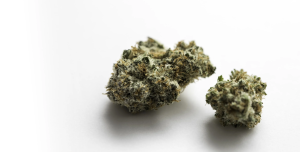
Buy Infused marijuana buds Online – Explore THC Edibles, Vape Cartridges & Cannabis Extracts
The Growing Demand for Premium Cannabis ProductsThe modern cannabis market…