Understanding Organic Hemp
What is Organic Hemp?
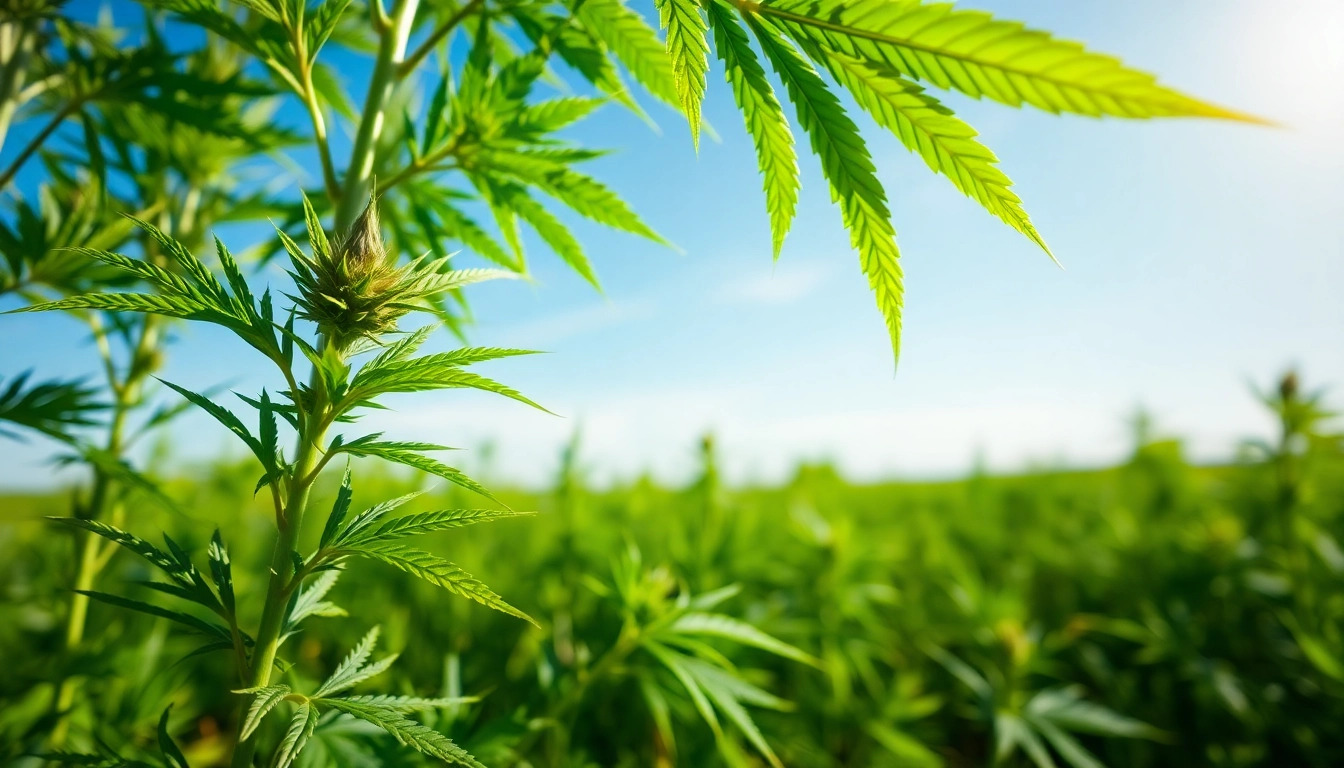
Organic hemp is derived from the Cannabis sativa plant, specifically cultivated for its seeds, stalks, and flowers. Unlike its cousin, marijuana, organic hemp contains minimal psychoactive properties due to its low THC (tetrahydrocannabinol) levels. The cultivation of organic hemp adheres to stringent organic agricultural standards, which prohibit the use of synthetic fertilizers, pesticides, and genetically modified organisms (GMOs). This dedication to organic practices fosters a sustainable approach to farming, ensuring that the resulting products are not only beneficial for consumers but also kind to the environment. With rising awareness about health and wellness, organic hemp has found its niche in health food markets, cosmetic lines, and even construction industries.
Benefits of Organic Hemp
The benefits of organic hemp extend beyond just its nutritional profile. From an ecological perspective, organic hemp farming offers a low-impact alternative to conventional agriculture. The plant is known for its rapid growth and ability to thrive in diverse conditions, requiring less water and no toxic pesticides, making it a sustainable crop.
Nutritionally, organic hemp is a powerhouse. It is rich in protein, omega fatty acids, vitamins, and minerals, providing an array of health benefits, including supporting heart health, reducing inflammation, and promoting healthy skin. Additionally, the high fiber content aids in digestion and can contribute to weight management.
How Organic Hemp is Cultivated
Organic hemp cultivation is a meticulous process designed to preserve soil health and maximize the quality of the plant. Farmers begin by selecting high-quality seeds that are organic and non-GMO. The soil is prepared without synthetic chemicals, employing natural fertilizers like compost to enrich nutrient content.
Crop rotation and cover cropping are integral practices in organic farming, helping to manage pests and diseases while restoring soil fertility. During the growth cycle, which can last between 90 to 120 days, organic hemp plants are left to grow naturally, benefiting from sunlight and rain without the interference of harmful chemicals. Harvesting is performed carefully to ensure maximum yield and quality.
Nutritional Value of Organic Hemp
Protein Content in Organic Hemp
One of the most notable features of organic hemp is its impressive protein content. Hemp seeds contain about 30% protein, making them one of the most complete plant protein sources available. This protein is easily digestible and includes all nine essential amino acids required by the human body.
Because of its rich protein profile, organic hemp is particularly suitable for vegetarians, vegans, and those looking to incorporate more plant-based sources of protein into their diets. It also offers a great alternative for those with soy or dairy allergies, providing a nutritious and versatile option for a variety of meals.
Essential Fatty Acids in Organic Hemp
Organic hemp seeds are rich in polyunsaturated fats, especially omega-3 and omega-6 fatty acids, which are crucial for heart health and overall well-being. The ideal ratio of these fatty acids supports cardiovascular function, reduces inflammation, and promotes skin health. Omega-3 fatty acids, particularly alpha-linolenic acid (ALA), are essential for brain function and mental health. Meanwhile, omega-6 fatty acids help to maintain skin integrity, regulate metabolism, and support reproductive health.
The balance of these fatty acids makes organic hemp a valuable addition to a balanced diet, enhancing both health and vitality.
Vitamins and Minerals Found in Organic Hemp
In addition to protein and fatty acids, organic hemp is loaded with vital vitamins and minerals. These include:
- Magnesium: Supports muscle and nerve function and plays a role in regulating blood pressure.
- Iron: Essential for transporting oxygen in the blood and preventing anemia.
- Zinc: Important for immune function and skin health.
- Vitamin E: An antioxidant that protects cells from damage and supports skin health.
- Vitamin B complex: Supports metabolism, energy production, and neurological health.
The combination of these nutrients contributes to the many health benefits associated with organic hemp, making it a valuable food source for anyone looking to enhance their nutrition.
Uses of Organic Hemp Products
Food Products Made from Organic Hemp
Organic hemp seeds can be consumed raw, ground into meal, or cold-pressed to extract oil, offering a multitude of culinary possibilities. Common food products include:
- Hemp Seed Oil: This oil is used in salad dressings, smoothies, and as a finishing drizzle on meals, providing a nutty flavor along with health benefits.
- Hemp Milk: A dairy alternative made from hemp seeds, offering a creamy texture and rich nutrient profile.
- Hemp Protein Powder: Often used in protein shakes and bars, providing a plant-based protein boost.
- Hemp Hearts: These shelled seeds are a popular ingredient in recipes, adding texture and nutritional value to oatmeal, yogurt, and salads.
Beauty and Skincare Applications of Organic Hemp
Beyond nutritional benefits, organic hemp is increasingly finding its way into the beauty and skincare industry. The essential fatty acids, antioxidants, and vitamins in organic hemp oil make it an ideal ingredient for formulating various skincare products. Some common applications include:
- Moisturizers: Organic hemp oil provides hydration and helps to maintain skin elasticity.
- Face serums: Rich in antioxidants, they help to combat skin aging and improve overall skin texture.
- Soaps and cleansers: Organic hemp oil can help clean and nourish the skin without stripping it of moisture, making it suitable for all skin types.
Furthermore, its anti-inflammatory properties can soothe conditions like eczema and psoriasis, making it a valuable addition to therapeutic skincare.
Industrial Uses of Organic Hemp
Industrial applications of organic hemp are gaining traction as industries seek sustainable materials. Hemp fibers, renowned for their strength and durability, are being used in:
- Textiles: Hemp fabric is used in clothing, upholstery, and home goods due to its breathability and resistance to mold.
- Bioplastics: Hemp-derived bioplastic is a sustainable alternative to petroleum-based plastics, contributing to reduced environmental impact.
- Construction materials: Hempcrete, a mixture of hemp fibers and lime, offers insulation properties and is recognized for its carbon-negative footprint.
The versatility of organic hemp as a material resource reflects its potential to replace traditional materials across various industries, promoting sustainability and innovation.
How to Incorporate Organic Hemp into Your Diet
Recipes Featuring Organic Hemp
Incorporating organic hemp into your diet can be both delicious and nutritious. Here are a few easy recipes to consider:
- Hemp Seed Smoothie: Combine 2 tablespoons of hemp seeds, a banana, a handful of spinach, a cup of almond milk, and your favorite sweetener for a nutritious breakfast.
- Hemp-Infused Salad: Toss together mixed greens, cherry tomatoes, cucumber, avocado, and 2 tablespoons of hemp hearts, drizzled with your preferred dressing for a hearty salad.
- Hemp Granola Bars: Mix oats, honey, nut butter, chopped nuts, and hemp seeds, then press into a pan and refrigerate until firm. Cut into bars for a convenient snack.
Recommended Daily Intake of Organic Hemp
For adults, a recommended daily intake of organic hemp can vary based on dietary needs and activity levels. However, a general guideline is:
- Hemp Hearts: 2-4 tablespoons (approximately 30-60 grams) per day for nutritional benefits.
- Hemp Oil: 1-2 tablespoons for cooking or dressing to obtain essential fatty acids.
- Hemp Protein Powder: 1-3 servings per day, depending on dietary protein needs.
As with any food, moderation is key to achieving a balanced diet.
Tips for Buying Quality Organic Hemp
When purchasing organic hemp products, consider the following tips to ensure you’re selecting high-quality options:
- Check Labels: Look for certified organic labels that comply with USDA standards to guarantee authenticity.
- Research Brands: Choose reputable brands that prioritize sustainable farming practices.
- Examine the Product: Opt for whole seeds or those with minimal processing to retain the maximum nutritional benefits.
- Storage Options: Pay attention to packaging; opaque containers can help protect the product from light degradation.
These considerations ensure that you receive the full benefits of organic hemp while supporting sustainable practices.
Sustainability and the Future of Organic Hemp
Environmental Benefits of Organic Hemp Farming
Organic hemp farming contributes significantly to environmental sustainability. This plant has a fast growth cycle and requires minimal water, helping conserve natural resources. Additionally, organic hemp farming improves soil health through crop rotation and reduced chemical use, promoting biodiversity.
Moreover, hemp plants absorb more carbon dioxide than traditional crops, making them effective in combating climate change. As awareness grows, many farmers are shifting towards organic hemp cultivation, recognizing its potential to create a more sustainable agricultural landscape.
Case Studies: Successful Organic Hemp Farms
Several farms worldwide exemplify successful organic hemp cultivation. These farms implement sustainable practices, emphasizing the importance of soil health and biodiversity. They also engage in community education to promote the benefits of organic hemp farming.
By sharing knowledge and techniques, these farms help aspiring farmers understand the value of organic hemp, thus contributing to a broader movement toward sustainable, organic agriculture.
The Growing Market for Organic Hemp
The market for organic hemp is poised for growth as consumer interest in health, sustainability, and eco-friendly products increases. With applications ranging from health foods to textile production, organic hemp’s versatility drives its demand across various sectors.
As regulations around hemp cultivation continue to evolve, opportunities for farmers and businesses within the organic hemp sector are expanding. The growing recognition of hemp’s benefits may lead to an even brighter future for both the industry and the environment.