
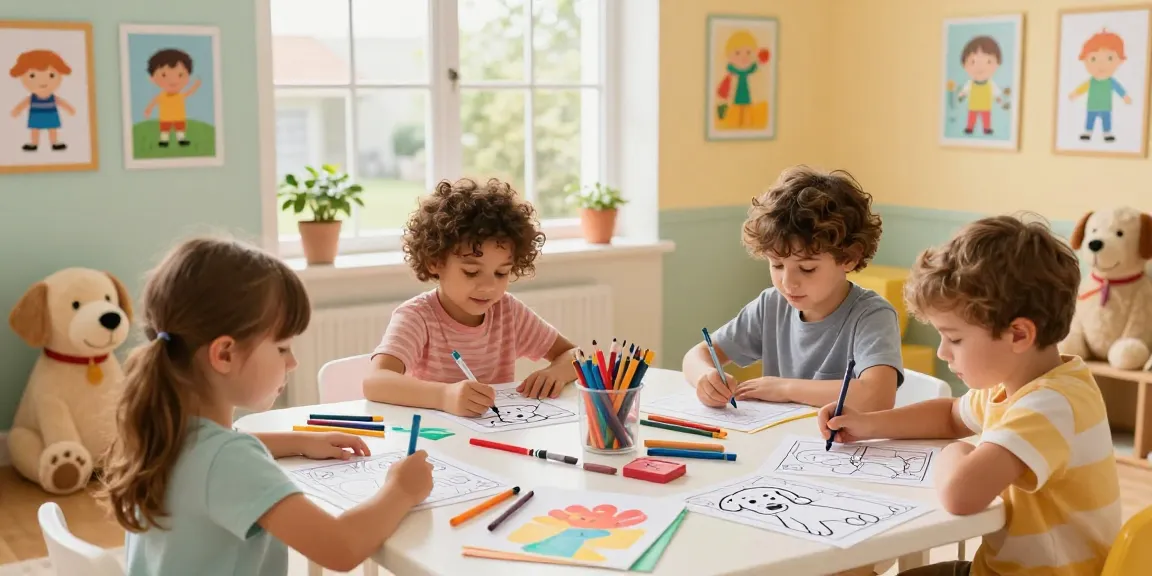
Why Easy Coloring for Preschoolers Matters
Coloring is an essential activity for preschoolers, providing them with numerous developmental benefits. Engaging in artistic expression not only enhances their creativity but also supports fine motor skill development. When children color, they practice hand-eye coordination and learn to control their movements with a crayon or marker. Introducing themes that resonate with them, such as adorable dogs, can significantly enhance their interest and enjoyment. For instance, exploring easy coloring for preschoolers can provide them with engaging images of Labrador Retrievers, sparking joy and encouraging imaginative play.
The Benefits of Coloring for Child Development
Coloring offers a wealth of advantages for young children. It promotes concentration and focus, helping them to sit still and engage with a task. While they color, kids can practice color recognition, learn about various shades, and start to understand the color wheel. Moreover, the combination of creativity and structure assists in cognitive development, as children must decide how to fill in each section. By expressing themselves through art, they build self-esteem as they see the fruits of their labor reflected on paper.
Finding Age-Appropriate Coloring Pages
Choosing the right coloring pages is crucial for making the most of this creative activity. For preschoolers, simple designs work best as they typically have limited fine motor skills compared to older children. Coloring pages featuring popular themes, such as puppies and kittens, capture their attention and make the experience enjoyable. Platforms like Picoloring offer a range of printable coloring pages tailored to different age groups, ensuring that children can engage with art that matches their skill level.
How Dogs Like Labradors Inspire Creativity
Labrador Retrievers are a beloved breed, and their vibrant personalities often inspire creativity in children. Known for their friendly demeanor and playful spirit, Labs make excellent subjects for coloring pages. The joyful scenes of Labs engaging in various activities—like fetching balls or playing in the water—encourage children to explore their imaginations. By coloring these scenes, kids can express their interpretations of these happy dogs, fostering a deeper connection to the artwork they create.
Understanding Labrador Retrievers
Characteristics of Labrador Retrievers
Labrador Retrievers are not just popular pets; they are known for their friendly and intelligent nature. These dogs are typically characterized by their strong, athletic build and playful attitudes. Labs come in three primary colors: yellow, black, and chocolate. Each color brings a unique charm, making them appealing to families worldwide. Their social behavior makes them wonderful companions for children, as they are gentle and patient, contributing to their qualities as great family pets.
Why Labs Make Great Coloring Subjects
Their endearing expressions and playful antics provide an abundance of scenes that children can relate to and enjoy. From a Labrador balancing a beach ball to a cozy puppy snuggled with a child, the diversity of activities depicted in these coloring pages offers endless opportunities for creativity. Coloring Labs enables children to learn about these animals while also expressing themselves artistically.
Using Realistic Colors for Accurate Representation
When coloring Labrador pages, it's essential to consider their natural colors to help preschoolers learn about the breed. For accurate representation, yellow Labs can be colored using shades of yellow, tan, or cream, while black Labs are best represented with black or dark gray. Chocolate Labs should be colored in medium to dark brown hues. Encouraging children to use their imagination, however, can be just as fun—if they want to create a rainbow Lab, the sky's the limit!
Choosing the Right Coloring Materials
Best Coloring Tools for Preschoolers
Selecting appropriate coloring tools is key to ensuring a positive experience. For preschoolers, chunky crayons or washable markers are preferable as they are easier to grip and control. These tools not only help maintain focus but also make the coloring process more enjoyable. Parents can create a variety of coloring supplies that are bright and appealing, further motivating children to engage in their art projects.
Safe and Non-toxic Art Supplies
Safety is paramount when it comes to art supplies for young children. Always choose non-toxic, child-friendly coloring materials to prevent any health risks. Many brands offer crayons, markers, and coloring books designed with children’s safety in mind. Parents should read labels and ensure that all products are suitable for preschoolers before introducing them in an artistic setting.
Techniques for Encouraging Artistic Expression
Encouraging children to explore various techniques can enhance their artistic skills. Simple methods such as finger painting or using sponges can spark enthusiasm, while traditional coloring can build foundational skills. Allowing children to experiment with different styles fosters independence and creativity. Encourage free expression by letting them choose their colors and the details they want to add to their pages.
Engaging Activities Beyond Coloring
Incorporating Learning Through Art
Coloring is just one of many engaging activities that can enhance learning. Integrating educational themes and fun facts about Labradors as children color can create a holistic learning experience. For example, while coloring a Lab puppy, you can share fun facts about how they are used as service animals or their love for water, helping to forge a deeper connection between the art and the real world.
Exploring Nature with Labrador Retriever Themes
Encourage outdoor exploration alongside coloring activities. Take children to a local park where they can observe Labrador Retrievers in their natural habitat. This excursion not only provides context for the coloring pages but also stimulates curiosity about nature and animal behavior. Children can observe their colors and activities and then recreate those impressions in their artwork.
Creative Storytelling with Coloring Pages
Coloring pages can serve as a springboard for storytelling. Ask children to create a story that corresponds with the coloring page they are working on. For example, if they are coloring a Lab playing fetch, they can narrate a tale about their day at the park. This integration of storytelling enhances their language skills and boosts creativity, making the art experience more enriching.
Tips for Effective Coloring Sessions
Setting Up a Comfortable and Inspiring Workspace
A well-organized and inviting workspace can significantly enhance a child’s coloring experience. Create a designated area filled with natural light and comfortable seating. Ensure that all materials are easily accessible, allowing children to engage without interruptions. Personalizing the space with their artwork can also instill a sense of pride and ownership.
Encouraging Creative Freedom and Imagination
Encouragement is vital for nurturing creativity. Allow children the freedom to express themselves in their own way. Avoid excessive criticism; instead, focus on positive reinforcement. Celebrate their unique interpretations and let them know that any design they create is special. This supportive environment fosters their confidence in artistic expression.
Recognizing and Addressing Challenges in Coloring
Coloring can sometimes present challenges for preschoolers, such as frustration when they make mistakes or struggle to stay within the lines. It’s important for parents to remain patient and understanding, guiding them to see that imperfections are a part of the process. Encourage children to turn errors into new art concepts, showing them that creativity flourishes through exploration.
What Are My Child's Favorite Coloring Techniques?
Taking the time to observe your child's coloring preferences provides insights into their artistic inclinations. Some children may prefer filling in large areas, while others may enjoy detailed work. Understanding these preferences can help tailor future coloring sessions and ensure that they remain engaged and excited about art.
How Can I Make Coloring Sessions More Fun?
To make coloring sessions more enjoyable, include themed music or storytelling related to the characters they are coloring. You might also consider organizing playdates with friends to color together, introducing a collaborative spirit. Additionally, providing snacks or refreshments can create a festively engaging atmosphere.
How Does Coloring Support Fine Motor Skill Development?
Coloring is a fantastic way for children to develop fine motor skills, essential for their overall growth. As they grip crayons and control their movements, they strengthen hand muscles and improve dexterity. Techniques like coloring with both hands can also enhance coordination. These skills will be crucial as they transition to more complex tasks like writing and drawing.
Are There Specific Themes That Are More Effective?
Choosing themes that resonate with preschoolers can significantly enhance their engagement with coloring activities. Themes such as animals, nature, and fantasy worlds often capture their imagination. Additionally, familiar characters or breeds, like Labrador Retrievers, can make the coloring experience even more enjoyable, as children feel a connection with what they are coloring.
How Frequently Should My Child Color?
Creating a routine can help integrate coloring into your child's daily life. Regular sessions, even if short, are beneficial. Aim for a few times a week, allowing flexibility based on interest and energy levels. Consistency will help reinforce the skills they gain through coloring, making it a valuable and fun part of their development.