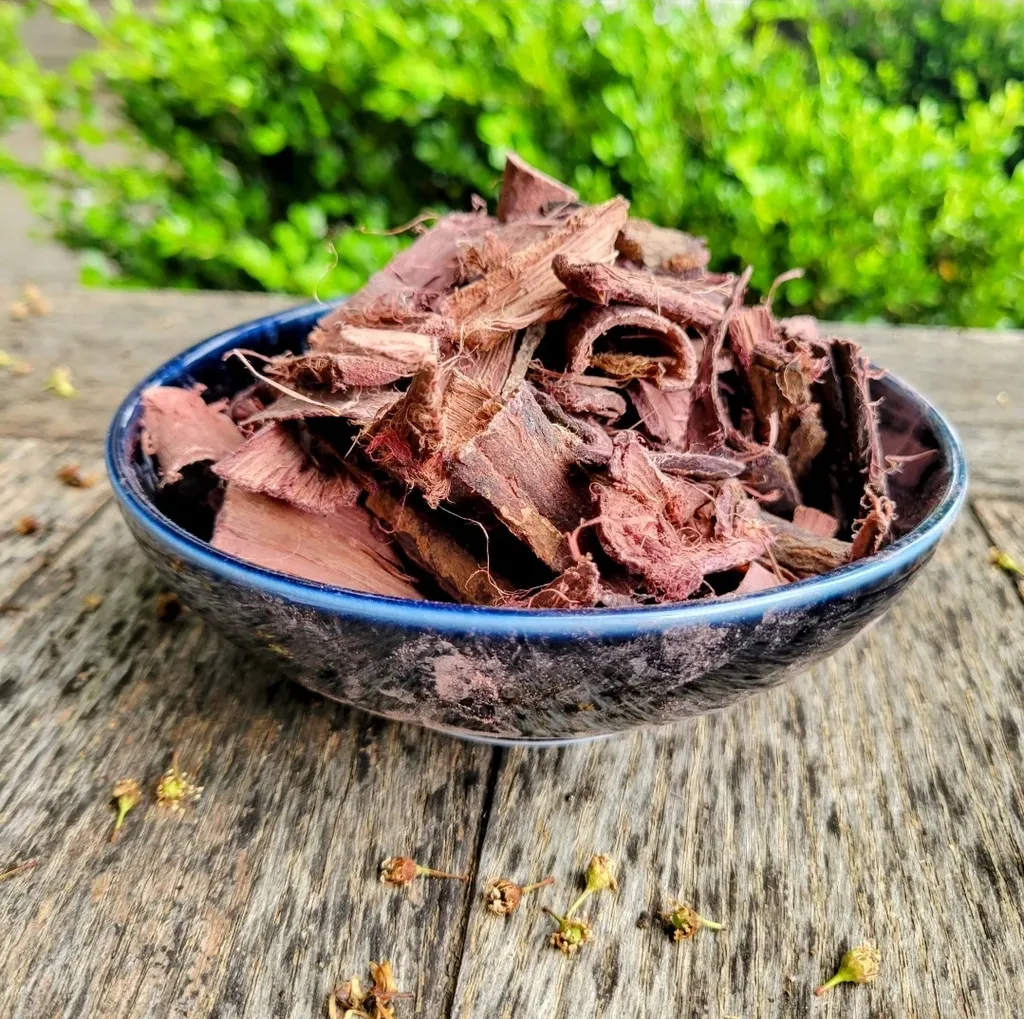
Mexican root bark is a botanical material that has attracted attention among people interested in traditional plants, natural history, and responsibly sourced botanical products. When researching MHRB for sale, it is important to look beyond availability and consider questions surrounding sustainability, legality, traceability, and responsible harvesting. A reputable supplier should be transparent about where botanical materials originate and how they are collected, processed, packaged, and stored.
The term commonly associated with Mexican root bark refers to material derived from Mimosa species, particularly Mimosa tenuiflora, a tree native to parts of Mexico and other areas of tropical and subtropical Latin America. The plant has a long history of traditional use and is also of interest to botanical researchers. Because different regions and suppliers may use different terminology, buyers should carefully verify the botanical identity of any material they are considering.
Understanding the Botanical Source
Mimosa tenuiflora is a hardy woody plant capable of growing in challenging environments. It is particularly associated with dry forests and semi-arid landscapes. Its ability to tolerate environmental stress has contributed to its importance within local ecosystems. Learning about the plant itself provides useful context for understanding why sustainable harvesting practices matter.
Root bark is a specific part of a plant, and harvesting roots can potentially have a greater effect on long-term plant survival than collecting renewable materials such as leaves or fallen branches. For this reason, responsible sourcing should be an important consideration whenever botanical root materials are purchased. A supplier claiming sustainable practices should ideally be able to explain how harvesting is managed and how the source population is protected.
Why Sustainable Sourcing Matters
When looking for MHRB for sale, sustainability should be considered alongside product quality and supplier transparency. Excessive harvesting of roots can place pressure on naturally occurring plant populations, particularly when demand increases rapidly. Sustainable sourcing helps reduce unnecessary environmental impact while supporting responsible botanical trade.
Ethical suppliers can contribute to better outcomes by maintaining traceable supply chains and working with producers or harvesters who understand local ecological conditions. Responsible harvesting may involve controlled cultivation, carefully managed collection, or sourcing from established agricultural systems rather than indiscriminate removal from wild populations.
Consumers can encourage better practices by asking where botanical materials originate and whether suppliers provide meaningful information about their sourcing policies. Greater transparency can make it easier for buyers to distinguish responsible botanical businesses from sellers who provide little information about their products.
Evaluating Botanical Quality
Quality is another consideration when purchasing dried botanical material. Buyers should look for clear botanical identification, consistent packaging, appropriate storage information, and transparent descriptions. Properly stored plant material should be protected from excessive moisture, contamination, and unsuitable temperatures.
A reputable botanical supplier should avoid making exaggerated claims about the identity or properties of its products. Clear labeling is particularly important because common names can sometimes refer to multiple species or varieties. Scientific names, country of origin, harvesting information, and batch details can provide greater confidence when evaluating botanical products.
When considering MHRB for sale, consumers should also review the seller’s policies concerning product legality, intended use, and shipping restrictions. Laws governing botanical materials can vary significantly between jurisdictions, so responsibility does not end when an item is purchased.
Responsible Purchasing Practices
Responsible purchasing involves more than comparing prices. Buyers should consider whether a supplier communicates openly about its business practices and whether it provides reasonable information about the botanical origin of its materials. A very low price without sourcing information may not necessarily represent good value if environmental or quality concerns are involved.
Consumers should also be aware that regulations can differ according to location. A botanical material that may be legally sold for certain purposes in one jurisdiction may be restricted in another. Before purchasing any plant material, buyers should independently check applicable local and national laws and comply with them.
For people researching MHRB for sale for legitimate botanical, educational, or cultural interests, choosing transparent suppliers and understanding the material’s legal status are important steps toward responsible consumption.
Traditional and Cultural Context
Mimosa species have longstanding cultural significance in parts of Latin America. Mimosa tenuiflora, in particular, has been associated with traditional practices and local knowledge. Such history deserves consideration when discussing the plant rather than reducing it to a commercial commodity.
Traditional botanical knowledge is often connected to particular communities, landscapes, and generations of experience. Respectful discussion should recognize that plants can have cultural importance beyond their commercial value. Sustainable trade can be strengthened when producers and consumers acknowledge the ecological and cultural contexts surrounding botanical materials.
Storage and General Botanical Care
Dried botanical materials generally benefit from clean, dry, and stable storage conditions. Exposure to moisture can encourage deterioration, while excessive heat and direct sunlight may affect the condition of plant material over time. Packaging should therefore provide reasonable protection during transportation and storage.
Consumers should follow the supplier’s storage guidance and keep botanical materials clearly labeled. They should also avoid using unidentified plant material, since similar-looking species can have very different chemical and biological characteristics.
Making an Informed Choice
Searching for MHRB for sale should begin with research rather than simply selecting the first available supplier. Product descriptions, botanical identification, sourcing transparency, sustainability statements, and applicable legal requirements can all help consumers make more informed decisions.
A responsible supplier should be willing to provide general information about the botanical source without making unsupported claims. Buyers can also consider businesses that demonstrate an interest in conservation and responsible supply chains. These practices can help encourage a botanical marketplace that places greater emphasis on ecological stewardship.
Conclusion
Mexican root bark is a botanical material with ecological, cultural, and historical significance. Anyone researching MHRB for sale should consider sustainability, botanical identification, supplier transparency, storage, and local regulations before making a purchasing decision. Responsible sourcing can help reduce pressure on natural plant populations while supporting a more transparent botanical trade.
Understanding the plant and its origins is ultimately more valuable than focusing exclusively on availability. By approaching botanical products with environmental awareness and respect for applicable laws, consumers can make more responsible choices and contribute to a healthier relationship between botanical commerce and the natural world.
FAQs
What is Mexican root bark?
Mexican root bark generally refers to bark obtained from certain Mimosa species, particularly Mimosa tenuiflora. It is a botanical material associated with traditional plant knowledge and botanical interest.
Why is sustainable sourcing important?
Root harvesting can potentially affect the long-term survival of individual plants. Sustainable sourcing helps reduce unnecessary pressure on wild populations and encourages responsible cultivation and harvesting practices.
What should I check when evaluating a botanical supplier?
Look for clear botanical identification, sourcing information, appropriate packaging, transparent business practices, and information about applicable legal restrictions.
Is Mexican root bark legal everywhere?
No. Laws concerning botanical materials can differ between countries, states, and other jurisdictions. Buyers should verify the regulations that apply where they live and comply with them.
How should dried botanical materials generally be stored?
Dried plant materials are typically best kept in a clean, dry environment away from excessive moisture, heat, and direct sunlight. Always follow the storage instructions supplied with the product.