
Understanding the Basics of Sports Broadcasting
What is Sports Broadcasting?
Sports broadcasting involves the transmission of sports-related events, news, and information through various media channels, including television, radio, and online platforms. It aims to entertain, inform, and engage viewers by delivering live events, highlights, analyses, and commentary. The shift from traditional broadcasting to digital platforms has seen a surge in viewership and participation, reflecting the dynamic nature of Sports Broadcasting.
History and Evolution of Sports Broadcasting
The roots of sports broadcasting can be traced back to the early 20th century when radio first made its mark. By the 1930s, sports events began appearing on radio, allowing fans to follow their favorite teams from afar. The advent of television in the 1950s marked a revolutionary change, as networks started broadcasting games live, transforming how fans consumed sports. The late 20th and early 21st centuries saw the rise of cable networks and the internet, expanding the reach of sports broadcasting to a global audience. Today, live streaming services and social media platforms are reshaping the landscape, catering to the preferences of younger generations.
Key Roles in Sports Broadcasting
Several key roles contribute to effective sports broadcasting, including:
- Sports Commentator: Provides play-by-play descriptions and insight during live events.
- Analyst: Offers expert analysis and breakdowns of plays, strategies, and player performances.
- Producer: Oversees the production process, ensuring that broadcasts run smoothly.
- Director: Responsible for managing camera angles, transitions, and overall vision during live broadcasts.
- Technician: Manages all technical aspects, including video and audio equipment.
The Equipment You Need for Successful Sports Broadcasting
Cameras and Audio Technology
High-quality cameras are essential for capturing clear, vibrant images that engage viewers. Depending on the broadcast type, various cameras can be used — from handheld camcorders for local sports to high-definition broadcast cameras used in major leagues. Audio equipment is equally important; using lapel microphones for commentators and shotgun mics for ambient sound enhances viewer experience by delivering crisp and clear audio.
Broadcasting Software Solutions
Modern broadcasting relies heavily on software to manage live feeds, graphics, and analyses. Solutions like video switchers and encoding software facilitate seamless transitions between different feeds and provide real-time graphics overlays. Investing in robust software can improve production quality and viewer engagement.
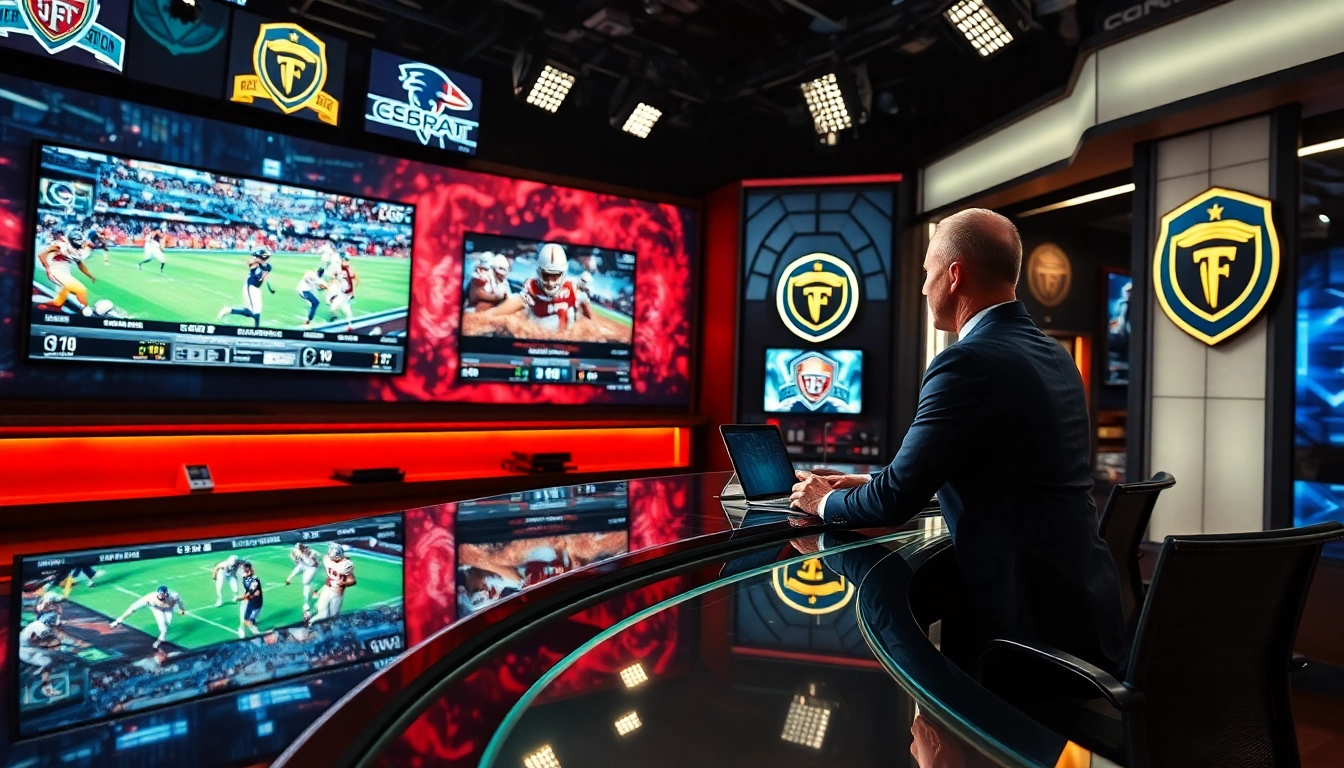
Setting Up a Broadcast Studio
A well-organized broadcast studio is crucial for successful operations. The studio should have designated areas for filming, editing, and the live broadcast. Ergonomic furniture, optimized lighting, and noise-reducing materials contribute to a comfortable and professional environment. Ensure that all equipment is easily accessible to minimize disruptions during live shows.
Best Practices for Creating Engaging Sports Broadcasts
Storytelling Techniques in Sports Broadcasting
Effective storytelling captivates audiences and transforms ordinary broadcasts into memorable experiences. Use narrative arcs that highlight player journeys, rivalries, and key moments. Incorporating interviews and behind-the-scenes footage allows viewers to connect emotionally with the content, enhancing their overall experience.
Using Graphics to Enhance Viewer Experience
Graphics can significantly elevate a broadcast, providing context and clarity. Utilize scoreboards, player statistics, and infographics to convey essential information. Animated graphics can enhance storytelling, making complex plays easier to understand while keeping the audience engaged.
How to Maintain Audience Engagement
Engagement is key in retaining viewers. Interactivity—through social media integration, live polls, and Q&A sessions during broadcasts—can foster a sense of community. Consistently delivering high-energy commentary and featuring expert analysts also maintains a high interest level throughout the event.
Challenges in Sports Broadcasting and How to Overcome Them
Dealing with Technical Difficulties
Technical difficulties are an inevitable part of broadcasting. It is vital to have backup systems in place, such as secondary internet sources and redundant equipment, to mitigate disruptions. Training staff to troubleshoot common issues quickly can also minimize downtime and ensure a smooth broadcast.
Managing Live Broadcast Pressure
Live broadcasts can induce stress and pressure on the entire team. To combat this, proper preparation is essential. Conducting thorough rehearsals, establishing clear communication protocols, and fostering a positive team environment can help all members manage pressure effectively during live events.
Regulatory and Ethical Considerations
Broadcasting must adhere to regulations concerning copyright, licensing, and broadcasting rights. Understanding these laws is crucial to avoid legal issues. Moreover, ethical considerations include respecting player privacy and ensuring fair representation of all teams and individuals involved in the broadcast.
Future Trends in Sports Broadcasting
Impact of Streaming Services on Sports Broadcasting
The rise of streaming services has changed the way audiences consume sports. Unlike traditional broadcasting, streaming allows for on-demand viewing, enabling fans to watch events at their convenience. This shift has led networks to adapt their strategies, leading to innovative broadcasting formats and partnerships with tech companies.
Emerging Technologies In Sports Broadcasting
Technological advancements such as augmented reality (AR) and virtual reality (VR) are paving the way for immersive viewing experiences. These technologies allow viewers to experience games from various angles and perspectives, facilitating a more interactive and engaging viewing experience than ever before.
Changing Viewership Trends and Preferences
As younger audiences gravitate towards digital platforms, broadcasters must adapt to shifting preferences. Shorter highlight clips, interactive content, and the integration of social media can cater to these viewers, ensuring sports remain relevant in an ever-evolving digital landscape.
FAQs
What is the role of a sports commentator?
A sports commentator provides live narratives and expert analysis during sports events, enriching viewer experience by connecting them to the action.
How has technology impacted sports broadcasting?
Technology enhances broadcast quality, allows for live streaming, and enables innovative graphics and analytics, offering viewers a richer experience.
What equipment is essential for sports broadcasting?
Key equipment includes high-definition cameras, microphones, broadcasting software, and a well-equipped control room for seamless production.
How can I ensure high audience engagement during broadcasts?
Use interactive elements, captivating storytelling, and high-quality graphics to keep the audience engaged and invested throughout the event.
What are common challenges in sports broadcasting?
Common challenges include technical issues, managing live pressure, and adhering to regulatory demands, all needing strategic preparation and solutions.