
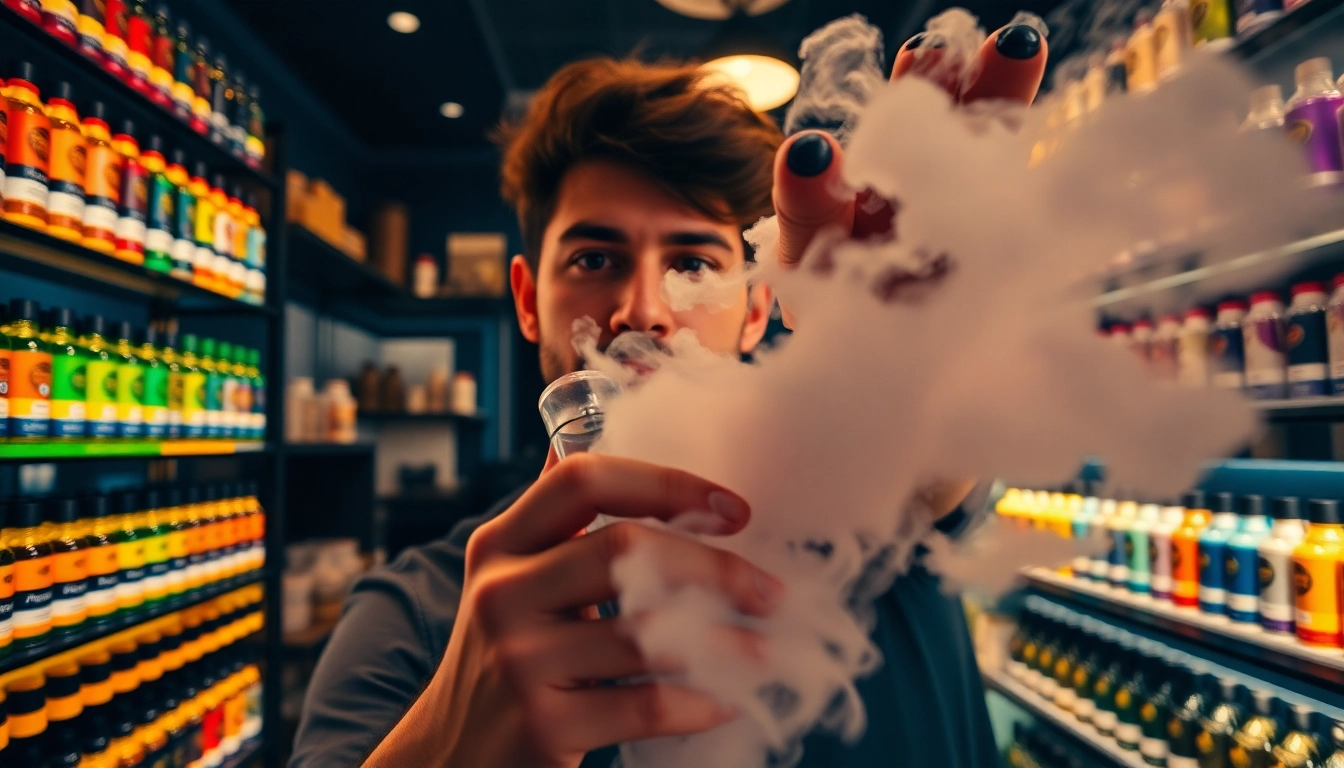
Understanding Vape & E-Liquids: Basics and Beyond
Vaping has transformed the landscape of nicotine consumption, evolving as an alternative to traditional smoking. Central to this experience are Vape & E-Liquids, the liquid substances that create the vapor inhaled by users. With the rise of e-cigarettes and vape pens, understanding the intricacies of vape and e-liquids becomes essential for both beginners and seasoned vapers. This comprehensive guide will explore the fundamentals, key ingredients, physics of vaping, current trends, and best practices for enjoying vape and e-liquids safely and responsibly.
What are Vape & E-Liquids?
Vape and e-liquids are liquid solutions designed to vaporize within electronic devices known as vaporizers or e-cigarettes. These liquids are typically composed of several key ingredients, including propylene glycol (PG), vegetable glycerin (VG), flavoring agents, and nicotine, though some variations exist for those preferring nicotine-free options.
The primary purpose of vape and e-liquids is to provide an inhalable vapor that emulates the experience of smoking without the combustion process associated with traditional tobacco products. When heated, these liquids turn into vapor, allowing users to inhale without smoke, tar, or other harmful byproducts found in cigarettes. The variety of flavors available—from fruity to dessert-like—adds a layer of appeal, making vaping a popular choice among those seeking alternatives to traditional smoking.
Different Types and Variations of E-Liquids
Understanding the various types of e-liquids can greatly enhance your vaping experience. Here are some of the most common variations:
- Nicotine Salt E-Liquids: These are formulated using a smoother type of nicotine, which allows for higher nicotine concentrations without the harsh throat hit common with traditional freebase nicotine. This makes them a popular choice for those transitioning from smoking.
- Freebase Nicotine E-Liquids: This is the most common type of nicotine used in e-liquids. It gives a stronger throat hit but is typically lower in nicotine concentration compared to nicotine salts.
- Shortfills: These are larger bottles of e-liquid that come unfilled to allow room for nicotine shots to be added. They are particularly popular in regions with regulations on nicotine content in e-liquid.
- Flavor Variants: E-liquids come in an incredible array of flavors, ranging from classic tobacco blends and menthols to exotic fruits and desserts. This variety caters to diverse preferences, ensuring that there’s something for everyone.
How to Choose the Right Vape & E-Liquids for You
Choosing the right vape and e-liquids involves understanding personal preferences and lifestyle factors. Here are some essential considerations:
- Nicotine Strength: Assess your current nicotine intake from smoking. Beginners transitioning from cigarettes might benefit from higher nicotine levels, while those reducing their intake can opt for lower strengths or nicotine-free options.
- Flavor Preferences: Since e-liquids are available in numerous flavors, experimenting with various options can help in identifying what suits your palate. Many manufacturers offer sample packs to facilitate this.
- Device Compatibility: Ensure that the e-liquid you choose is compatible with your vaping device. Some devices work better with certain types of e-liquids, such as those with higher VG content for sub-ohm devices.
Key Ingredients in Vape & E-Liquids
The quality of vape and e-liquids heavily depends on their ingredients. A deeper understanding of these components will not only help in making informed choices but also ensure a satisfying vaping experience.
The Role of Nicotine in E-Liquids
Nicotine is a key ingredient in many vape and e-liquids, mimicking the effects of nicotine found in traditional cigarettes. It is primarily responsible for the pleasure experienced during vaping, as it interacts with the brain's reward system.
When selecting e-liquids, users must consider the nicotine concentration that meets their cravings. Generally, nicotine levels range from 0 mg/mL (no nicotine) to 50 mg/mL (high concentration), allowing for different vaping experiences tailored to individual needs.
Flavorings: What Makes E-Liquids Taste Great?
Flavorings are another vital aspect of e-liquids. Various natural and artificial flavorings create the diverse palette of flavors vapers can choose from. Some of the most common flavor categories include:
- Fruit Flavors: Ranging from strawberries and watermelon to exotic tastes like dragon fruit, fruit flavors are among the most popular.
- Dessert Flavors: These capture the essence of sweet treats, including cakes, cookies, and pastries, catering to those with a sweet tooth.
- Menthol and Mint Flavors: Often sought after for a refreshing sensation, these flavors can be combined with others to enhance their profiles.
- Tobacco Flavors: Mimicking traditional tobacco, these flavors appeal to those transitioning from smoking by providing familiar notes.
Understanding PG and VG in E-Liquids
Propylene Glycol (PG) and Vegetable Glycerin (VG) are the base ingredients in most e-liquids. Each has distinct properties that affect the vaping experience:
- Propylene Glycol (PG): This colorless liquid is known for providing a throat hit similar to that of smoking. It is commonly used in food products and pharmaceuticals and is less viscous than VG, making it ideal for devices with smaller wicking systems.
- Vegetable Glycerin (VG): VG is a thicker, sweeter liquid that produces more vapor. It is often blended with PG to create well-rounded e-liquids. However, its viscosity may require devices with larger coils that can handle thicker liquids.
Understanding the balance between PG and VG can significantly influence not only the flavor and throat hit but also the vapor production and overall satisfaction of the vaping experience.
The Science of Vaping: How Vape & E-Liquids Work
To appreciate the vaping experience fully, it's essential to understand the mechanics involved in the process. This section explores how vape and e-liquids work and what happens during inhalation.
The Mechanics Behind Vaporization
The vaporization process begins when the e-liquid is heated by the device's coil. When the coil reaches a certain temperature, it heats the e-liquid sufficiently to convert it into vapor. Users draw this vapor into their mouths, where it can be inhaled into the lungs.
The temperature at which e-liquids vaporize varies depending on the composition and what flavors are incorporated. Most devices regulate the temperature to optimize vapor quality while ensuring safety during use.
What's Happening When You Inhale Vape & E-Liquids
When inhaling vapor, it passes through the throat and into the lungs, where the substances are absorbed into the bloodstream. Nicotine, flavors, and other components begin to interact almost immediately with the body's chemistry, creating the desired sensations associated with vaping.
Unlike traditional smoking, which involves combustion and can produce harmful byproducts such as tar and carbon monoxide, vaping promotes a cleaner alternative, emitting less harmful substances. However, it's vital to note that while vaping is considered less harmful than smoking, it is not devoid of risks.
Comparisons to Traditional Smoking: Health Insights
The health implications of vaping compared to traditional smoking have been a subject of extensive study. While vaping is generally viewed as a less harmful alternative due to the absence of combustion, some concerns remain. Here are key points to consider:
- Reduced Harmful Chemicals: Traditional tobacco smoke contains thousands of chemicals, many of which are known carcinogens. Vaping typically exposes users to fewer toxic substances.
- Public Perception: Despite its reduced risk profile, vaping is still met with skepticism by public health organizations, and ongoing research continues to evaluate its long-term effects.
- Potential for Addiction: The nicotine in e-liquids can still lead to dependence, so users must consider this aspect when transitioning from cigarettes.
As the science of vaping evolves, ongoing communication about its risks and benefits is crucial for informed decision-making.
Trends in the Vape & E-Liquids Market
The vape and e-liquids market is continually evolving, influenced by consumer preferences, technological advancements, and regulatory frameworks. Awareness of these trends can help consumers stay informed and make the best choices for their vaping experience.
Emerging Flavors and Brands in 2023
With the increasing demand for unique vaping experiences, manufacturers are launching innovative flavors and product variations regularly. Emerging trends include:
- Crossover Flavors: Brands are experimenting with hybrid flavors, like fruit desserts and alcohol-infused concoctions, to cater to adventurous vapers.
- Health-Conscious Ingredients: A growing segment of the market favors organic and natural ingredients in e-liquids, driving brands to produce options with fewer artificial additives.
- Disposable Vape Options: Convenience-driven trends have propelled the growth of disposable vapes, which blend ease of use with a variety of flavor options.
Regulation and Safety Concerns in the Industry
As vaping gains popularity, regulatory scrutiny has increased significantly. Regulations vary by region and often focus on:
- Flavor Bans: Some localities have proposed or enacted bans on flavored e-liquids due to concerns they may appeal to underage users.
- Health Claims: Brands must navigate regulations around advertising health claims, ensuring not to mislead consumers about the safety profile of products.
- Quality Control Standards: Maintaining high standards for production and quality control helps mitigate safety issues and instills confidence in consumers.
Understanding these regulations is vital for manufacturers and consumers alike to remain compliant and informed.
Predictions for the Future of Vape & E-Liquids
Looking ahead, several trends are likely to shape the vape and e-liquids industry:
- Increased Technological Innovations: Advancements in vaping technology are expected to enhance user experiences, from more precise temperature control to better battery life.
- Health Research Developments: Ongoing research into the health impacts of vaping will likely inform public policy and consumer choices, influencing future product formulations and marketing.
- Customization and Personalization: The trend towards tailored vaping experiences—allowing consumers to create their own flavor profiles and nicotine levels—is expected to expand.
As the market adapts, staying informed will empower vapers to make decisions that suit their preferences and lifestyle.
Safe Vaping Practices and Tips
While vaping is generally regarded as a safer alternative to smoking, adopting best practices ensures a better, more responsible experience. Here are essential tips for safe vaping.
How to Store Vape & E-Liquids Properly
Proper storage of vape and e-liquids extends their life and maintains their quality. Here are best practices:
- Cool Environment: Store e-liquids in a cool, dark place away from direct sunlight and heat sources to prevent them from degrading.
- Sealing Containers: Always ensure that e-liquid bottles are sealed tightly to prevent oxidation and contamination.
- Avoid Freezing: While it may seem beneficial, freezing e-liquids can alter the consistency and flavor, so it's best to avoid it.
Understanding the Importance of Quality Control
Quality control in the vape and e-liquid industry is crucial. Ensuring that the products you consume are manufactured under strict quality guidelines protects your health. Look for:
- Third-Party Testing: Reputable brands will often have their products tested by independent labs to verify ingredient safety and content accuracy.
- Transparency in Ingredients: Brands should be clear about their ingredients, offering accessible lists that detail what is in their e-liquids.
Best Practices for Enjoying Vape & E-Liquids Responsibly
To ensure a positive vaping experience, adhere to the following best practices:
- Stay Informed: Regularly research and update yourself on the latest vaping trends and health information.
- Monitor Your Nicotine Intake: Be mindful of your consumption, especially if transitioning from smoking to avoid potential nicotine dependency.
- Practice Good Hygiene: Clean your vaping devices regularly to prevent contamination and ensure optimal performance.
In conclusion, the world of Vape & E-Liquids offers a diverse array of options and experiences that cater to a wide range of preferences. By understanding the intricacies of vape and e-liquids—from composition to responsible usage—vapers can make informed decisions that enhance their overall enjoyment and safety. As the industry continues to evolve, staying up-to-date and adhering to best practices will ensure a satisfying vaping journey for both newcomers and seasoned enthusiasts.