
Understanding Dispensary Products
Definition and Types of Dispensary Products
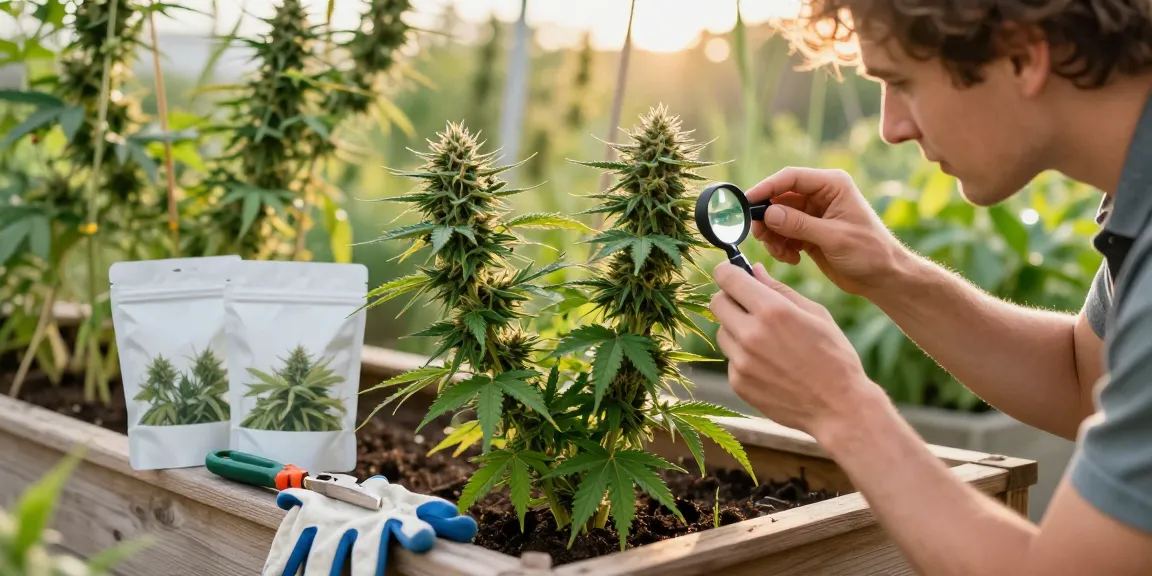
Dispensary products encompass a diverse range of items available in legal cannabis dispensaries, specifically created for medicinal and recreational use. These products can primarily be divided into three categories: flower (the raw cannabis plant), concentrates (extracted compounds), and edibles (food items infused with cannabis). Each type serves a different purpose and suits various user preferences, providing options for both novice and experienced users alike.
Flower products vary widely in strain, potency, and terpene profile, impacting their effects and flavor. Concentrates, which include oils, waxes, and shatter, offer intense experiences and are often used for dabbing. Edibles, coming in forms like gummies, chocolates, and beverages, provide a unique consumption method that activates the THC differently in the body compared to smoking or vaping. Understanding these categories helps users make informed decisions about Dispensary products suited to their needs.
Key Ingredients in Dispensary Products
The composition of dispensary products often features cannabinoids, terpenes, and other beneficial compounds. Cannabinoids like THC (tetrahydrocannabinol) and CBD (cannabidiol) are the most well-known; THC is famed for its psychoactive effects, while CBD is recognized for its therapeutic benefits without inducing a high. Terpenes, which are aromatic compounds found in cannabis, significantly influence the strain's flavor and effect by working synergistically with cannabinoids. Some common terpenes include myrcene, limonene, and pinene, each contributing unique characteristics to a product.
Additionally, products may contain various additives, such as flavorings or preservatives, which can impact user experience. Users should scrutinize product labels for a clearer understanding of what they are consuming and ensure they select high-quality options devoid of harmful substances.
Benefits of Using Quality Dispensary Products
Opting for quality dispensary products offers multiple advantages. Premium products often undergo rigorous testing for potency, purity, and safety, ensuring consumers are consuming effective and safe items. High-quality products can lead to better experiences, whether for relaxation, pain relief, or recreational enjoyment.
Moreover, well-sourced products can be more consistent in terms of effects, enhancing predictability and user comfort. This consistency makes it easier for consumers to tailor their consumption based on personal needs, leading to optimized outcomes. With more reputable dispensaries offering educational resources and staff consultations, users can gain deeper insights into product choices, further enhancing their therapeutic or recreational experience.
Navigating the World of Cannabis
Types of Cannabis Available
Cannabis products available at dispensaries can be classified into several categories, including indica, sativa, and hybrid strains, which cater to different effects and uses. Indica strains generally promote relaxation and stress relief, making them ideal for evening use or when unwinding. Sativa strains are often linked to uplifting and energizing effects, suitable for daytime use or social settings. Hybrid strains combine characteristics of both indica and sativa, offering a balance that can be tailored to individual needs.
Besides traditional cannabis flower, dispensaries also offer alternative consumption methods such as vape pens, tinctures, and cannabis-infused beverages, each with distinct bioavailability and onset times. Understanding these varieties empowers consumers to choose products that best align with their desired effects and lifestyle, thus maximizing their benefits.
Differences Between CBD and THC Products
While both CBD and THC are cannabinoids derived from the cannabis plant, their effects and legality can vary significantly. THC is the psychoactive compound responsible for the “high” traditionally associated with cannabis use, while CBD is non-psychoactive and primarily valued for its medicinal properties. This difference makes CBD products appealing to individuals seeking therapeutic benefits without intoxication, commonly utilized for anxiety relief, pain management, and inflammation reduction.
The legality of CBD versus THC products can differ based on state and federal regulations. In many places, while CBD products derived from hemp (containing less than 0.3% THC) are more widely available, THC products may still face restrictions. Therefore, understanding the implications of using these cannabinoids helps consumers navigate their choices effectively—ensuring compliance and addressing personal health needs.
Choosing the Right Type for Personal Needs
When selecting cannabis products, personal preferences and medical requirements play a crucial role. Factors include the preferred method of ingestion, desired effects, tolerance levels, and existing medical conditions. For instance, those looking for pain relief might gravitate toward high-CBD strains or oils, whereas recreational users may prefer potent THC options for relaxation or social settings.
Moreover, individuals who are new to cannabis should consider starting with low doses to understand how their body responds, progressively adjusting based on their comfort level and desired outcomes. Consulting dispensary staff can also provide valuable insights to navigate product selections effectively, tailoring the experience to individual needs.
How to Purchase Dispensary Products
Finding a Reputable Dispensary
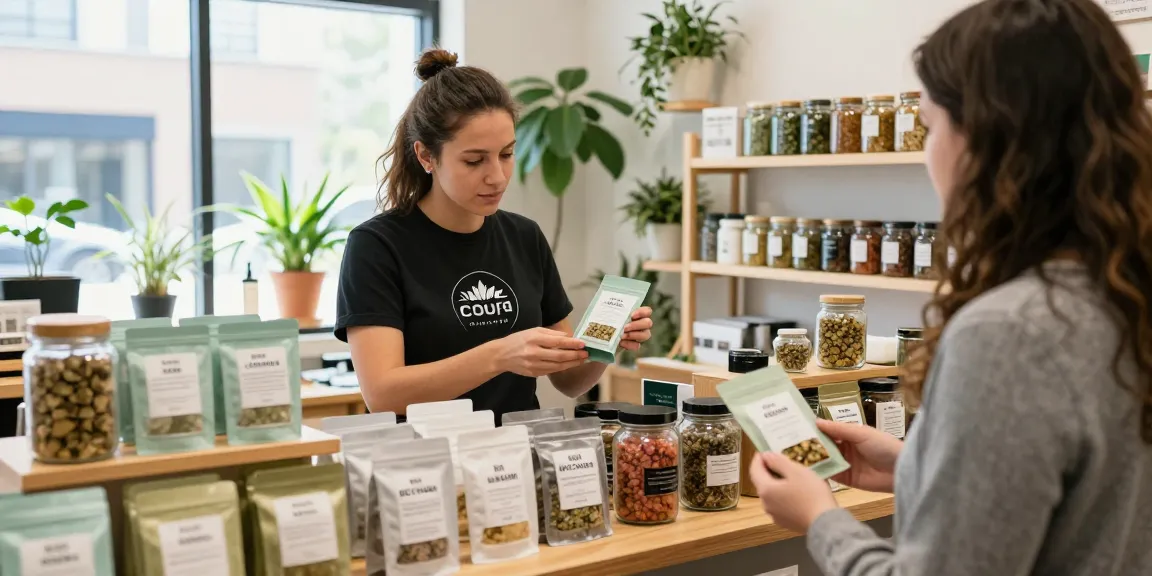
Finding a reputable dispensary is vital to ensure quality and safety in cannabis product purchases. Start by researching dispensaries within your vicinity, checking online reviews, and seeking testimonials from other users. A good dispensary should provide a clean environment, knowledgeable staff, and transparent product information, including third-party lab testing results.
Additionally, community engagement such as educational workshops or events can also indicate a dispensary's dedication to responsible practices and consumer education. The goal should be to establish a long-term relationship with dispensary staff who can help guide choices based on your specific needs and preferences.
Online vs. In-Store Shopping: Pros and Cons
Shopping for dispensary products can be done either online or in-store, each offering distinct advantages and disadvantages. Online shopping provides convenience, a broad selection of products, and the opportunity to read reviews and compare items at leisure. However, it may lack the personal interaction and guidance provided by knowledgeable staff in physical stores.
On the other hand, purchasing in-store allows consumers to interact with staff, view products firsthand, and benefit from on-the-spot recommendations. However, physical stores may have limited inventory compared to online platforms. Users must weigh these factors based on personal preferences to determine the optimal shopping method.
Ensuring Product Quality and Safety
Ensuring the quality and safety of dispensary products is critical for a positive experience. Look for products that include Certificates of Analysis (COAs), which confirm that the products have been tested for potency, contaminants, and pesticides. Reputable dispensaries often provide this information directly or offer access to their vendors’ lab tests.
Additionally, consumers should pay attention to packaging and labeling. Products should be packaged safely, free from damage, and properly labeled with dosage information and ingredient lists. Staying informed about product recalls or safety alerts in your region can also help mitigate risks associated with cannabis use.
Legal Aspects of Dispensary Products
Understanding State Regulations
The legal landscape surrounding dispensary products is complex and varies significantly from state to state. Consumers should be knowledgeable about their local laws concerning the sale, possession, and use of cannabis. Some states allow recreational use, while others only permit medicinal consumption with a doctor's recommendation. Therefore, it’s crucial for potential users to be aware of their state's regulations to ensure compliance and avoid legal repercussions.
Additionally, consumers should be informed about age restrictions, possession limits, and the legality of transporting cannabis products across state lines. Staying updated on any changes in legislation can help users navigate safely and responsibly.
International Perspectives on Cannabis Legislation
Globally, perspectives on cannabis legislation vary greatly, with some countries embracing legalization for both medical and recreational use, while others maintain strict prohibitions. Countries like Canada and Uruguay have set precedents with regulated frameworks for cannabis, illustrating the potential for economic and social benefits, including taxation and decreased crime rates.
Conversely, in parts of Europe, strict penalties remain for possession and use, limiting access to cannabis products. As international perspectives shift, users should remain informed about potential changes that may affect their access to cannabis and adjust their consumption habits accordingly.
Navigating Legal Implications for Users
Understanding the legal implications surrounding dispensary products is vital for responsible consumption. Users should familiarize themselves with their rights and responsibilities, ensuring they comply with local laws concerning use, storage, and purchase of cannabis. For individuals traveling to states with differing laws, it’s essential to be aware of regulations regarding possession and transport to avoid potential legal issues.
Additionally, possessing a valid medical marijuana card can provide certain legal protections for users in states with existing medical cannabis programs, affording access to regulated dispensaries and avoiding penalties for possessing specific amounts of cannabis.
Maximizing Your Experience with Dispensary Products
Best Practices for New Users
For new users, approaching cannabis consumption with caution can maximize enjoyment while minimizing potential adverse effects. It is recommended to start with low-dose products, particularly edibles, as these can take longer to produce effects. Tracking experiences can help individuals determine dosage and product types that best suit their needs.
Additionally, considering consumption methods is essential. For users seeking immediate effects, smoking or vaporizing can result in rapid onset, while edibles may require patience for effects to manifest. Educating oneself about strain effects and consumption styles can make the experience enjoyable and tailored to personal preferences.
Creating Personalized Consumption Plans
Creating a personalized consumption plan involves assessing personal preferences, goals, and tolerances. Start by identifying the intended use of cannabis—whether for relaxation, social scenarios, pain relief, or other medical needs. Documenting response to different dosages and products can help refine your approach over time.
Additionally, setting a schedule for use can help in understanding the interplay between personal lifestyle and cannabis consumption, ensuring a balanced experience that aligns with daily responsibilities and desired outcomes. Using dispensary resources and knowledgeable staff can further enhance the personalization of use.
Frequently Asked Questions About Dispensary Products
What are the main types of dispensary products?
Dispensary products primarily include flower, concentrates, and edibles, each catering to different user preferences and consumption needs.
How do cannabinoids differ?
THC is psychoactive and induces a high, while CBD is non-psychoactive and valued for therapeutic effects, making them suitable for different consumers.
Can I use cannabis products safely?
Yes, by choosing high-quality dispensary products, starting with low doses, and being aware of local laws, users can consume cannabis safely.
Are there age restrictions for purchasing cannabis?
Yes, age restrictions vary by state, typically requiring consumers to be 21 or older for recreational purchases, while some states have different rules for medicinal use.
How can I ensure product quality?
Look for products with third-party lab testing results, clear labeling of ingredients, and reputable dispensaries that prioritize consumer safety.