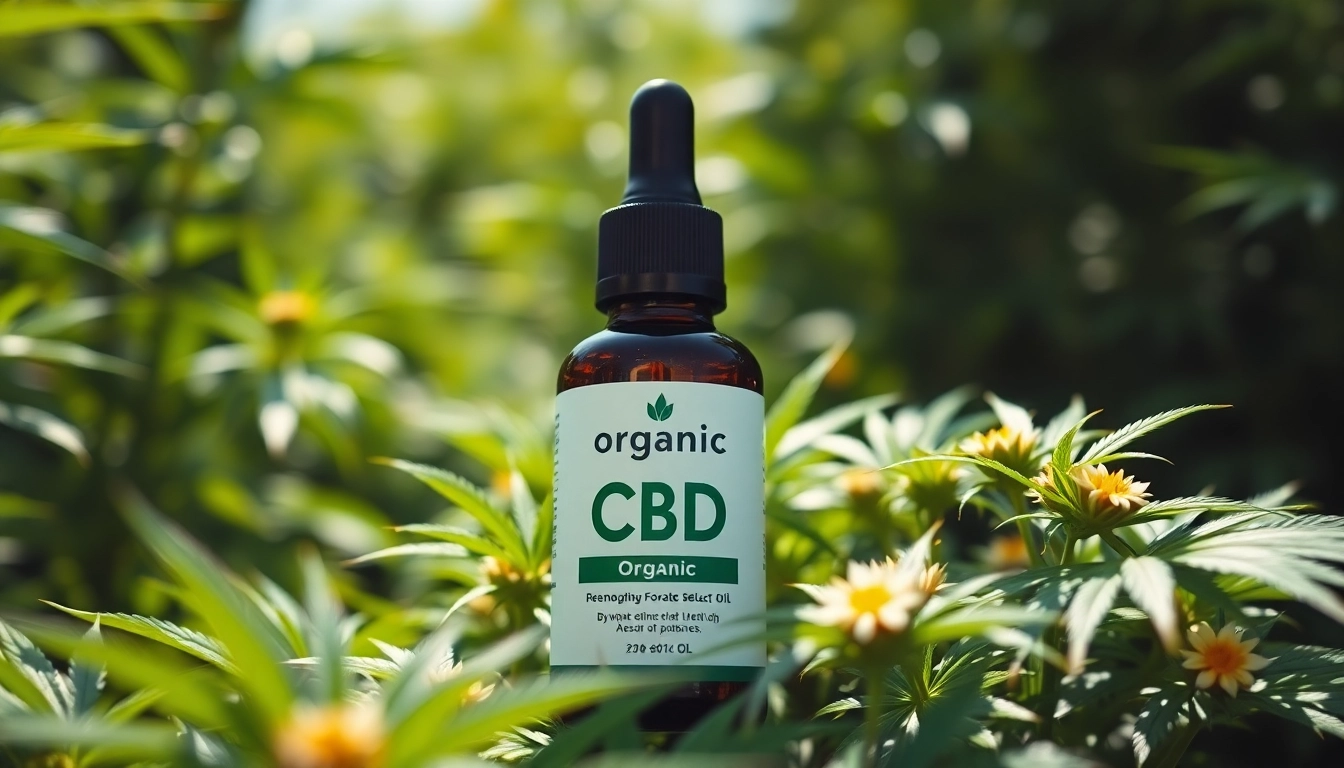
Understanding Organic CBD Oil
What is Organic CBD Oil?
Organic CBD oil is derived from hemp plants that have been cultivated without the use of synthetic pesticides, herbicides, or fertilizers. This method ensures that the oil maintains a high degree of purity and quality. Unlike conventional CBD oils, which may contain harmful chemicals, organic variations offer a cleaner alternative for consumers seeking therapeutic benefits. Many users prefer organic options for their perceived safety and efficacy. As a natural compound extracted from the cannabis plant, Organic CBD oil harnesses the benefits of cannabinoids while minimizing exposure to contaminants and toxins.
Difference Between Organic and Non-Organic CBD Oil
The distinction between organic and non-organic CBD oil primarily hinges on the growing methods of the hemp plants. Organic CBD oil comes from plants grown under strict regulations that prohibit chemical herbicides and pesticides, ensuring that consumers receive a product free of synthetic residues. In contrast, non-organic CBD oil may come from plants treated with harmful substances that can affect the oil's quality and safety.
Moreover, organic CBD oil typically undergoes more rigorous testing to maintain its certified status, which can enhance its reputation and consumer trust. Non-organic products may not adhere to such stringent standards, leading to variability in quality and composition. Therefore, choosing organic is often linked to improved health outcomes and safety for users.
How is Organic CBD Oil Extracted?
The extraction of organic CBD oil involves several methods, with CO2 extraction being the most popular and effective due to its ability to produce high-quality, pure oil. This process works by using carbon dioxide under high pressure and low temperature to extract cannabinoids and terpenes without introducing harmful solvents. Other methods, such as ethanol extraction, can also be used but might leave behind residual solvents if not properly filtered.
Cold pressing is another method sometimes utilized for certain oils but is less common for CBD extraction. Regardless of the method, the goal remains the same: to produce a clean, potent product that offers the full spectrum of health benefits associated with CBD.
Health Benefits of Organic CBD Oil
Relief from Anxiety and Stress
One of the most widely recognized benefits of organic CBD oil is its potential to alleviate symptoms of anxiety and stress. Studies indicate that CBD interacts with serotonin receptors in the brain, which are responsible for regulating mood and anxiety levels. Users report feeling calmer and more focused after using organic CBD oil, making it a preferred alternative to conventional anti-anxiety medications that often come with side effects.
Reducing Inflammation and Pain
Organic CBD oil is also known for its anti-inflammatory properties, which can be beneficial for individuals suffering from chronic pain conditions. Research suggests that CBD can help reduce inflammation by interacting with the body’s endocannabinoid system, which plays a vital role in regulating immune responses. Users with conditions such as arthritis or multiple sclerosis have found significant relief with consistent use of organic CBD oil, with many noting reduced pain and improved mobility.
Promoting Better Sleep
Insomnia and sleep disorders are increasingly common in today's fast-paced world. Many users turn to organic CBD oil as a natural sleep aid. Research indicates that CBD may help improve sleep by addressing underlying issues such as anxiety and chronic pain. By calming the mind and alleviating discomfort, organic CBD oil can lead to improved sleep quality and duration. Individuals experiencing restless nights or disrupted sleep patterns have reported that incorporating organic CBD oil into their routines has resulted in more restful nights and alert mornings.
How to Use Organic CBD Oil
Methods of Consumption
There are several methods to consume organic CBD oil, allowing users to choose one that best fits their lifestyle. Common consumption methods include:
- Sublingual Tinctures: Placing drops under the tongue for rapid absorption into the bloodstream.
- Edibles: Incorporating CBD oil into food or drinks, offering a discreet option.
- Topicals: Applying CBD-infused creams or balms directly to the skin for localized relief.
- Vaping: Inhaling CBD oil via a vape pen, which provides immediate effects.
Each method has its unique benefits, so users may want to experiment to find the most effective option for their needs.
Dosing Guidelines for Different Uses
Dosing organic CBD oil can vary significantly depending on individual factors such as body weight, metabolism, and the condition being treated. As a general guideline:
- Anxiety Relief: Start with 5-10 mg of CBD oil and adjust as needed.
- Pain Management: A dosage of 10-20 mg may be effective, depending on the severity of the pain.
- Sleep Aid: A higher dose, around 20-30 mg, is often recommended for sleep-related issues.
It is always advisable to consult with a healthcare provider before starting any CBD regimen, especially for those on other medications.
Combining with Other Supplements
Some users benefit from combining organic CBD oil with other natural supplements to enhance its effects. Common combinations include:
- Melatonin: For improved sleep quality.
- Magnesium: To support relaxation and reduce anxiety.
- Turmeric: With its anti-inflammatory properties, can amplify pain relief.
When combining supplements, it is essential to monitor how your body responds and make adjustments as needed.
Choosing Quality Organic CBD Oil
Key Factors to Look For
When searching for high-quality organic CBD oil, several key factors should inform your choice:
- Source of Hemp: Ensure the hemp is sourced from reputable farms that adhere to organic farming practices.
- Extraction Method: Opt for CO2 extraction to guarantee purity and efficacy.
- Third-party Testing: Always look for products that undergo independent lab testing to confirm cannabinoid levels and lack of contaminants.
Reading Product Labels
Product labels can offer invaluable information regarding the composition and quality of organic CBD oil. Pay attention to:
- The concentration of CBD per serving.
- The presence of other cannabinoids or terpenes, which can enhance the oil's therapeutic effects.
- Production dates and expiration dates to ensure freshness.
A clear label often indicates a trustworthy product backed by good manufacturing practices.
Importance of Customer Reviews
Customer reviews can provide insights into the effectiveness and safety of organic CBD oil products. Be sure to look for verified reviews that discuss real-life experiences with the product. This can help you gauge the reliability of the supplier and the benefits of the oil. User feedback can highlight both the strengths and weaknesses of a product, making it a valuable resource for informed decision-making.
Frequently Asked Questions About Organic CBD Oil
Is Organic CBD oil legal?
Yes, organic CBD oil is legal in many regions, provided it contains less than 0.3% THC. Check local laws to ensure compliance.
Can Organic CBD oil cause side effects?
While generally considered safe, organic CBD oil may cause side effects such as dizziness, fatigue, or changes in appetite. Monitor your body's response.
How long does it take to feel the effects of Organic CBD oil?
Effects typically begin within 30 minutes to 2 hours, depending on the method of consumption and individual metabolism.
Can I use Organic CBD oil for pets?
Yes, organic CBD oil is often safe for pets, but consult a veterinarian for appropriate dosing and product selection.
Is Organic CBD oil safe to use daily?
Most users find organic CBD oil safe for daily use, but it's advisable to consult with a healthcare provider regarding personal circumstances.