
Understanding CBD Oil: A Comprehensive Overview
As awareness of the potential health benefits of cannabidiol (CBD) increases, many Canadians are turning to cbd oil canada for support in managing various health concerns. This natural compound, derived from hemp plants, is gaining traction as a viable alternative to traditional medications. In this guide, we'll explore the various aspects of CBD oil, from its composition and manufacturing processes to its potential benefits and usage guidelines. Whether you're new to CBD or looking to expand your knowledge, this article will provide valuable insights to help you make informed decisions about incorporating CBD oil into your wellness routine.
What is CBD Oil and How is it Made?
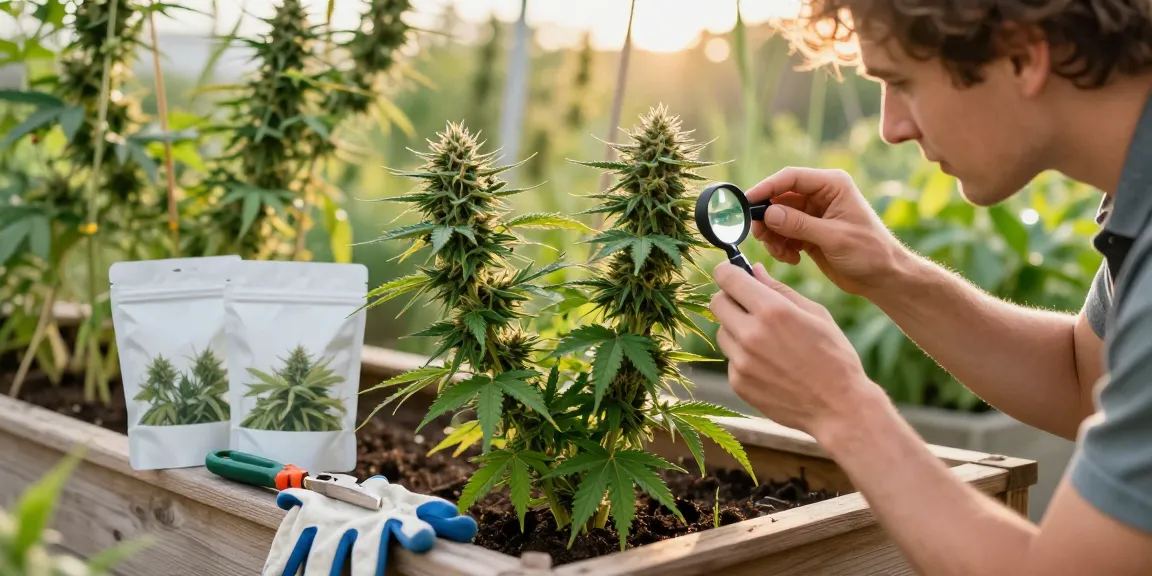
CBD oil is a concentrated extract derived from the cannabis plant, specifically from hemp varieties that are rich in CBD and low in tetrahydrocannabinol (THC)—the psychoactive compound responsible for the "high" associated with cannabis use. The extraction process typically involves several methods such as CO2 extraction, ethanol extraction, or oil infusion, which isolate the beneficial cannabinoids, terpenes, and other phytochemicals while minimizing impurities.
Once extracted, CBD oil can be refined and formulated into various products, such as tinctures, capsules, edibles, or topicals. Each product type may target different user needs, allowing for convenient consumption methods tailored to individual preferences.
The Difference Between Full Spectrum and THC-Free CBD Oil
CBD oil is available in several formulations, primarily categorized into full spectrum, broad spectrum, and CBD isolate. Full spectrum CBD oil contains a wide range of cannabinoids and terpenes, including trace amounts of THC. This combination is believed to create an "entourage effect," where the various compounds work synergistically to enhance the health benefits of CBD.
On the other hand, THC-free CBD oil, often labeled as CBD isolate, contains 99% pure CBD without any THC. This is ideal for users who wish to avoid THC altogether while still reaping the benefits of CBD. Understanding these differences is crucial for consumers looking to select the best product for their needs, whether they seek comprehensive wellness support or a THC-free option.
Health Benefits of CBD Oil: What the Research Says
Research into the health benefits of CBD oil is ongoing, and current studies suggest a range of potential applications. Some of the most notable areas include:
- Anxiety and Stress Relief: Studies have shown that CBD may help alleviate symptoms of anxiety by influencing serotonin levels in the brain.
- Sleep Improvement: Many users report enhanced sleep quality and reduced insomnia symptoms when using CBD oil, likely due to its anxiolytic properties.
- Pain Management: CBD's anti-inflammatory effects may provide relief for those suffering from chronic pain, arthritis, and muscle soreness.
- Skin Health: Preliminary research indicates that CBD may aid in treating conditions like acne and psoriasis due to its anti-inflammatory properties.
How to Choose the Right CBD Oil for Your Needs
With numerous products available on the market, selecting the right CBD oil can be overwhelming. There are several factors to consider:
Factors to Consider When Selecting CBD Oil in Canada
- Source of Hemp: Look for organic, non-GMO hemp grown in Canada or the U.S. to ensure quality and safety.
- Extraction Method: CO2 extraction is the gold standard for purity and efficiency, while methods like ethanol extraction are more common.
- Lab Testing: Reputable brands will have third-party lab tests available for transparency, detailing the cannabinoid profile and confirming the absence of harmful substances.
- Type of CBD: Decide whether you prefer full spectrum, broad spectrum, or isolate based on your sensitivity to THC and your health goals.
Using CBD Oil for Specific Health Concerns
Different health issues may warrant specific formulations or dosages of CBD oil. For instance, anxiety may require lower doses of full spectrum oil, while conditions like chronic pain might benefit from higher doses or topical applications. It’s essential to consult healthcare professionals to tailor your approach based on your individual health needs.
Understanding Dosage: How Much CBD Oil Should You Take?
Determining the right dosage for CBD oil can be challenging, as individual responses can vary significantly. A common starting point is to begin with a low dose and gradually increase until the desired effects are achieved. Factors influencing dosage include:
- Body Weight: Heavier individuals may require higher doses.
- Metabolism: Individual metabolic rates can affect how quickly CBD is processed by the body.
- Health Condition: Specific health concerns may dictate a need for higher or lower dosages.
Incorporating CBD Oil into Your Daily Routine
Integrating CBD oil into your daily life can be straightforward. Here are a few strategies to consider:
Simple Ways to Use CBD Oil Effectively
CBD oil can be consumed sublingually (under the tongue) for quick absorption, added to food or beverages, or used in cooking. Alternatively, topical applications may be beneficial for localized pain relief.
Combining CBD Oil with Other Wellness Practices
For optimal results, consider pairing CBD oil with lifestyle changes such as regular exercise, mindfulness practices, and a balanced diet. This holistic approach can significantly enhance your overall well-being.
Tracking Your Progress: Keeping a CBD Journal
Maintaining a journal to record your CBD use and its effects can help you assess what works best for your body and identify any patterns. Documenting your experiences will allow you to adjust your dosage or product type based on your needs effectively.
Common Misconceptions About CBD Oil in Canada
As CBD oil continues to gain popularity, it's essential to dispel common myths surrounding its use:
Is CBD Oil Addictive? Addressing Common Myths
CBD is not addictive. Unlike THC, which may cause dependence, studies conducted by the World Health Organization indicate that CBD does not exhibit abuse potential.
The Legal Landscape of CBD Oil in Canada
In Canada, CBD is legal for personal medicinal use under the Cannabis Act, provided users are over 19 years of age. It can be purchased without a prescription, making it accessible to those in need.
What You Need to Know Before Trying CBD Oil
Before starting CBD oil, it’s vital to evaluate your health conditions, medications, and potential interactions. Consulting with a healthcare professional is encouraged, especially for those taking other medications.
The Future of CBD Oil and Wellness Products in Canada
The CBD market is rapidly evolving, with innovative products and applications continually emerging. Here's what to look forward to in the coming years:
Emerging Trends in CBD Oil Use for 2026
Consumers are increasingly seeking CBD products that emphasize sustainability, transparency, and health benefits. Expect to see more brands adopting eco-friendly practices and sourcing.
Innovative Products on the Market
As research into CBD continues, new formulations like CBD-infused beverages, skincare products, and enhanced delivery methods (e.g., patches and inhalers) are likely to surface, offering users more choices.
How CBD Oil is Shaping the Future of Health and Wellness
CBD oil is positioned to redefine wellness, providing accessible alternatives to traditional pharmaceuticals. Its potential benefits in managing various health conditions are gradually reshaping public perception and acceptance of cannabis-derived products.
What are the benefits of CBD oil for anxiety?
Research indicates that CBD oil may reduce anxiety symptoms by enhancing mood and promoting relaxation without the psychoactive effects associated with THC, making it a compelling option for those seeking relief.
How does CBD oil affect sleep cycles?
Studies suggest CBD may improve sleep quality by reducing anxiety and promoting relaxation, contributing to more restful sleep cycles without altering the natural architecture of sleep.
Is CBD oil safe for pets?
Yes, many veterinarians endorse the use of CBD oil for pets, particularly for anxiety and joint pain. However, always consult a veterinarian before starting any new treatments for your furry friends.
What should I know before starting CBD oil?
It's crucial to understand the type, dosage, and potential interactions before trying CBD oil. Start low and go slow to monitor how your body responds.