

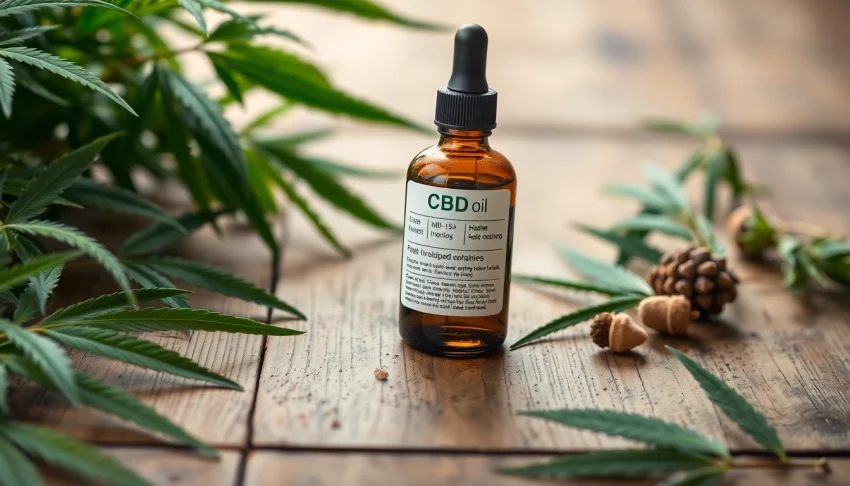
Understanding CBD and Its Benefits
What is CBD Oil?
Cannabidiol, commonly known as CBD, is a naturally occurring chemical compound found in the cannabis plant. Unlike its more famous cousin THC (tetrahydrocannabinol), CBD is non-psychoactive, meaning it does not produce a “high.” CBD oil is extracted from the cannabis plant’s flowers, leaves, and stalks and is often diluted with a carrier oil to enhance its therapeutic benefits. Many people are turning to CBD oil as a natural remedy for various ailments, leading to a surge in interest and corresponding demand. If you’re considering using CBD oil for wellness, understanding proper dosage is crucial, as detailed in our CBD oil dosage guide.
How CBD Works in the Body
CBD interacts with the body’s endocannabinoid system (ECS), which plays a vital role in regulating various physiological processes, including pain, mood, appetite, and inflammation. The ECS consists of endocannabinoids, receptors, and enzymes. CBD primarily binds to CB1 and CB2 receptors, resulting in various therapeutic effects without the psychoactive effects associated with THC. It has been shown to influence the release of neurotransmitters and modulate neuronal activity, making it a candidate for addressing conditions like anxiety, chronic pain, sleep disorders, and more.
Potential Health Benefits of CBD
Research suggests that CBD may provide numerous health benefits, including:
- Pain relief: CBD is believed to alter pain perception pathways in the brain, providing relief for chronic pain conditions.
- Reducing anxiety: Studies indicate that CBD can help manage anxiety and stress levels, making it beneficial for individuals experiencing anxiety disorders.
- Anti-inflammatory properties: CBD’s ability to modulate inflammation makes it a potential treatment for conditions like arthritis or other inflammatory disorders.
- Improving sleep: Many users report improved sleep quality when using CBD, especially those suffering from insomnia or sleep disorders.
- Neuroprotective properties: Some research indicates CBD may have protective effects on neurons, potentially benefiting neurodegenerative diseases.
Determining Your Ideal CBD Oil Dosage
Factors Influencing Dosage
Determining the right dosage of CBD oil can be complex, as various factors play a role in how an individual metabolizes the compound. Key factors influencing dosage include:
- Body weight: Heavier individuals may require higher dosages to achieve the desired effects.
- Metabolism: Everyone metabolizes CBD differently; some people may find they need less or more than the average recommended amounts.
- Condition being treated: Different health conditions may require different dosages for optimal results.
- Product concentration: The potency of the CBD oil plays a crucial role in determining how much one should take.
- Experience with CBD: Beginners may start with lower doses and gradually increase based on their response.
Beginners’ Dosage Recommendations
For those new to CBD oil, starting slowly is advisable. A typical beginner’s dosage might range from 5 to 10 mg of CBD consumed once or twice a day. Users can observe how their body reacts and adjust their intake accordingly. It’s recommended to take CBD consistently for at least one week before increasing the dosage, as it may take this time to gauge its effects fully.
Adjusting Your Dosage Over Time
After the initial week, individuals can gradually increase their dosage in small increments (e.g., 5 mg at a time) based on their experience and medical needs. Keeping a dosage journal can help track the changes and effects experienced over time. Monitoring how the body responds to each dosage will help fine-tune the ideal amount for therapeutic benefits.
Methods of Taking CBD Oil
Different Formats of CBD Oil
CBD oil is available in various formats, allowing users to choose the method that best suits their lifestyle. Formats include:
- Tinctures: Liquid extracts taken sublingually for quick absorption.
- Capsules: Pre-measured doses that are easy to ingest but take longer to have an effect.
- Topicals: Creams and balms applied directly to the skin for localized relief.
- Edibles: CBD-infused foods and beverages, ideal for those who prefer not to taste oil.
Best Practices for Consumption
To maximize the benefits of CBD oil, consider the following best practices:
- Start low, go slow: Begin with a small dose and gradually increase until desired effects are achieved.
- Consistency: Regular use is often key to experiencing the full benefits.
- Choose high-quality products: Look for third-party lab testing to ensure purity.
- Timing: Pay attention to the timing of doses, as different times of day may yield diverse effects.
Combining with Other Products
When used alongside other wellness products, CBD can enhance overall effectiveness. For instance, combining CBD with herbal supplements that have calming properties may improve relaxation. However, it’s essential to consult with a healthcare professional before mixing CBD with other medications or supplements to avoid potential interactions.
Possible Side Effects of CBD Oil
Common Side Effects
While many people tolerate CBD oil well, it can lead to some side effects, particularly when taken in higher doses. Common side effects reported include:
- Drowsiness
- Dry mouth
- Diarrhea
- Changes in appetite
- Fatigue
Monitoring these side effects can help users adjust their dosage and methods of consumption more effectively.
When to Consult a Healthcare Professional
If you experience severe side effects or have underlying medical conditions, it’s crucial to consult with a healthcare professional. They can provide personalized guidance tailored to your health needs and medications. Additionally, pregnant or nursing women should always seek medical advice before starting any new supplements.
Managing Side Effects Effectively
To manage side effects, start with a lower dosage, adjusting it gradually. Avoid taking CBD on an empty stomach, as this can contribute to gastrointestinal upset. Hydration is also essential; drinking water may help with dry mouth symptoms. Documenting experiences can also assist in recognizing which dosages and delivery methods work best for your body.
Frequently Asked Questions about CBD Oil Dosage
What is the best time to take CBD oil?
The best time to take CBD oil depends on individual needs. Some prefer morning doses for daytime relief, while others might opt for evening use to aid sleep.
Is there a universal dosage for everyone?
No, there is no universal dosage for CBD oil. Factors like body weight, metabolism, and health conditions vary greatly; thus, dosages should be personalized.
Can I take CBD oil with other medications?
It’s advisable to consult with a healthcare professional before taking CBD oil with other medications to avoid potential interactions that could alter drug efficacy or safety.
How long does it take for CBD oil to work?
Effects can vary by method of consumption; tinctures may work within 15-30 minutes, while edibles may take 1-2 hours. Consistent use can build efficacy over time.
Will CBD oil make me feel high?
No, CBD oil is non-psychoactive; it does not produce a “high.” Users appreciate its therapeutic benefits without the mind-altering effects associated with THC.