
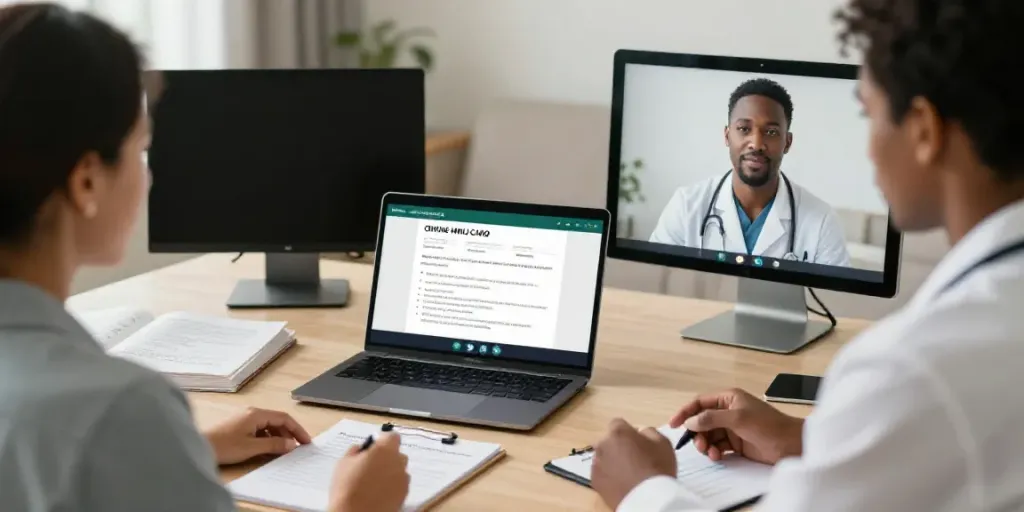
Understanding MMJ Cards: What You Need to Know
Medical Marijuana (MMJ) cards have become essential for patients seeking relief through cannabis. These cards grant legal access to medical marijuana, enabling patients to purchase and use cannabis for various health conditions. As regulations evolve and more states embrace the therapeutic benefits of marijuana, understanding what an MMJ card entails is crucial for patients navigating this landscape.
What is an MMJ Card?
An MMJ card, or Medical Marijuana card, is a legal document issued by a state authority that allows individuals to possess and use marijuana for medicinal purposes. To obtain this card, patients typically need a qualifying medical condition and a recommendation from a licensed healthcare provider. The card serves to protect patients from legal repercussions while providing access to regulated cannabis products tailored to specific health needs.
Benefits of Having an MMJ Card
Holding an MMJ card offers several advantages, including:
- Legal Protection: Patients can use cannabis without fear of legal consequences.
- Access to Specialized Products: MMJ cardholders often have access to a wider variety of cannabis products than recreational users.
- Lower Costs: Many states offer lower taxes on medical marijuana purchases for cardholders.
- Safe Access to Quality Products: Patients can obtain cannabis from state-licensed dispensaries, ensuring product quality and safety.
State-Specific Requirements for MMJ Cards
Requirements for obtaining an MMJ card can vary widely from state to state. Generally, patients need to provide medical records and demonstrate that they have a qualifying condition. It is important to consult the relevant state regulations to understand the specific requirements and procedures for obtaining a card in your state.
For those exploring options, MMJ card online services can simplify the application process significantly.
How to Apply for an MMJ Card Online
The convenience of applying for an MMJ card online has transformed how patients obtain their cards. The process is often straightforward, allowing applicants to complete the necessary steps from the comfort of their homes.
Step-by-Step Guide to Online Applications
Here are the general steps involved in applying for an MMJ card online:
- Research State Regulations: Understand the specific laws and requirements in your state.
- Schedule a Consultation: Book an appointment with a licensed medical practitioner who specializes in cannabis medicine.
- Complete an Evaluation: During this consultation, the doctor will assess your health condition and determine if cannabis is an appropriate treatment.
- Submit Application: After receiving a recommendation, fill out the application form and submit it along with required documentation.
- Receive Approval: Wait for your application to be processed, which can take a few days to weeks depending on state regulations.
- Obtain Your Card: Once approved, you will receive your MMJ card, either digitally or via mail.
Common Mistakes to Avoid
While applying for an MMJ card online, applicants often make several common mistakes:
- Failing to Provide Complete Documentation: Ensure all required paperwork is submitted to avoid delays.
- Missing Deadlines: Be aware of submission deadlines set by your state.
- Ignoring Follow-Up: Make sure to respond promptly to any inquiries from the reviewing authority.
Required Documentation and Information
To successfully apply for an MMJ card, you'll typically need the following:
- Proof of identity (e.g., driver’s license, state ID).
- Medical records confirming your qualifying condition.
- A recommendation letter from a qualified healthcare provider.
- Completed application form, as specified by your state.
Choosing the Right Online Service
With numerous online platforms offering MMJ card services, selecting the right one requires careful consideration. The quality of service can significantly impact your application experience.
Factors to Consider When Selecting a Provider
When evaluating online services for MMJ cards, consider the following:
- Reputation: Look for credible reviews and testimonials from past clients.
- Approval Rates: Choose a service with a high approval rate to enhance your chances of success.
- Cost: Compare pricing structures, including consultation fees and state application fees.
Comparing Costs and Services
It’s vital to compare the costs associated with different online services. Some may charge higher consultation fees but offer more comprehensive services, such as follow-up consultations or assistance with paperwork. Make sure to evaluate what you’re getting for the price you pay.
Reading User Reviews and Testimonials
User reviews provide valuable insights into the experiences of previous applicants. Look for feedback on:
- The ease of the application process.
- Customer service responsiveness.
- The overall satisfaction with the end result.
Streamlining the Approval Process
Once you have submitted your application for an MMJ card, understanding what to expect can help alleviate anxiety and speed up the process.
What to Expect After Applying
After your application is submitted, you can typically expect:
- A confirmation of receipt from the application processor.
- A timeline for when you can expect a decision.
- Notifications if additional information is required.
Common Reasons for Delays
Several factors can lead to delays in the approval process:
- Incomplete applications.
- Verifications of medical records that require additional time.
- Increased application volumes during peak times.
Tips to Expedite Your Application
To ensure a smooth application process, consider these tips:
- Submit all required documentation in one complete package.
- Follow up with the application processor if you haven’t heard back within the expected timeline.
- Keep copies of all submitted documents for your records.
Future Trends in MMJ Card Applications
The landscape for MMJ card applications is evolving, with new technologies and regulatory changes shaping the experience for patients.
Emerging Technologies in Telehealth and MMJ
Telehealth has revolutionized the way patients access healthcare, including cannabis consultations. Expect to see:
- Increased use of virtual consultations for evaluations.
- Enhanced online platforms that streamline the application process.
- Integration of AI in patient assessments to provide personalized recommendations.
Regulatory Changes and Their Impact
Regulations surrounding medical marijuana are continually under review. Anticipate:
- More states adopting MMJ programs, expanding access.
- Changes in the criteria for qualifying conditions, reflecting evolving medical insights.
- Increased advocacy for federal legalization, which may standardize processes across states.
Predictions for Online Services in 2026
By 2026, online services for obtaining MMJ cards are expected to become even more user-friendly and accessible. We may see:
- Greater transparency in costs and services offered.
- Improved digital literacy among patients, making the process smoother.
- Increased competition among providers, leading to better services and reduced costs.
Frequently Asked Questions
Can I get my MMJ card online in Florida?
Yes, many services offer online applications for MMJ cards in Florida, allowing patients to receive consultations and application support entirely online.
How do I renew my MMJ card online?
Renewal processes can often be completed online, usually requiring updated medical documents and a renewal application, which can vary by state.
What if my application is denied?
If your application is denied, you typically receive an explanation for the denial. You may have the option to appeal the decision or reapply with additional documentation.
Is telemedicine secure for MMJ consultations?
Reputable telemedicine providers use secure platforms that comply with privacy regulations, ensuring patient confidentiality during consultations.
What documents are needed for MMJ card renewal?
Renewal documents commonly include proof of identity, previous MMJ card, and updated medical records or a renewal recommendation from a healthcare provider.